
Wine Glass Care in Five Habits and One Permanent Mistake
Wine glass care is five habits. Wash by hand in hot water with almost no soap, holding the bowl and never twisting the stem. Rinse hotter than you washed. Dry the glass while it's still warm, before the water can sit and evaporate on its own. Polish with a lint-free microfiber cloth. Store it upright in a cupboard away from the stove. Everything below is a longer version of those five, plus what to do when a glass has already gone cloudy on you.
On this page
- Where wine glass care goes wrong: streaks, spots and cloud
- Washing wine glasses by hand
- Dishwasher: which glasses survive it
- Drying without spots
- Cloudy glasses: film you can remove, etching you can't
- Polishing like a sommelier
- Storing stemware: the last step in wine glass care
- The cloth that does the polishing
- FAQ
Where wine glass care goes wrong: streaks, spots and cloud
Wine glass is thin, and thin glass shows everything. Four things end up on a glass, and the wine is responsible for almost none of them.
- Soap film. Detergent that didn't leave in the rinse. It dries into a faint haze, and a scented one carries its perfume straight into the next glass of wine you pour. You'll smell lemon before you smell the Pinot.
- Mineral deposits. Hard water carries dissolved calcium and magnesium. When a droplet dries on the glass, the water goes and the minerals stay, which is the entire story of water spots.
- Etching. The surface of the glass itself, corroded. Soft water plus alkaline dishwasher detergent at high heat eats a microscopic layer off the glass and leaves it permanently dull.
- Whatever else lives in your kitchen. Fingerprints on the bowl, lint off a terry dish towel, airborne cooking grease settling on rims stored above the range, and the musty cardboard smell glasses pick up from the box they came in.
Three of those four come off with hot water and a cloth. The fourth doesn't come off at all. Most of the work of keeping stemware clear is making sure your glasses never join the fourth category.
Washing wine glasses by hand
Hold the bowl. Not the stem, not the foot. Almost every broken wine glass in the world snapped because someone gripped the stem in one fist and twisted the bowl with the other, and a stem is a lever with nothing to give.
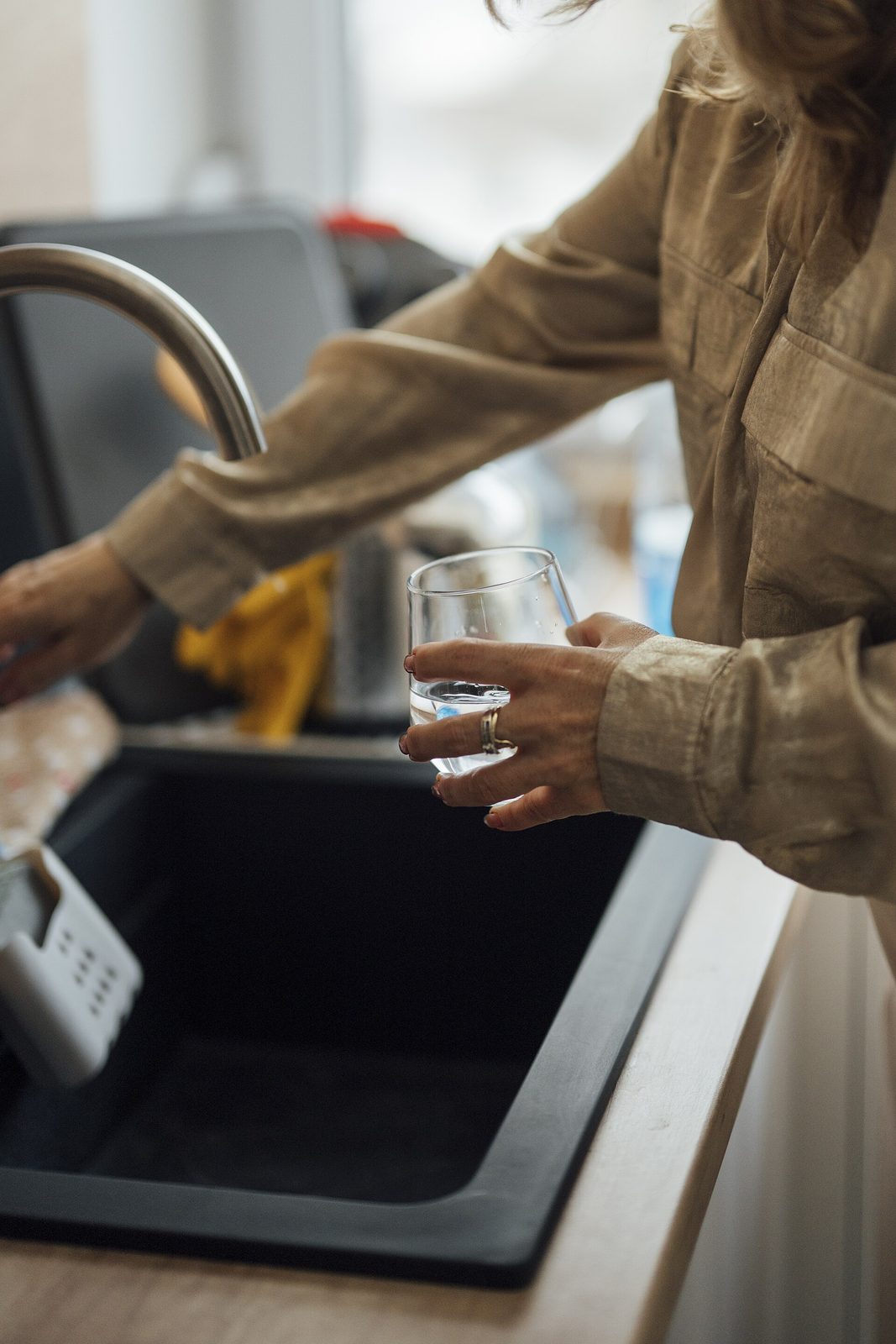
Line the sink with a folded towel or a rubber mat before you start. Wash one glass at a time. Take off a ring or a watch if you're wearing one, because metal against a rim at speed is a chip.
Water should be hot but not boiling. A thin bowl that goes from a cold cupboard into scalding water can crack from the temperature change alone, so let the tap run warm first.
Soap is where people overdo it. A glass that held nothing but wine usually needs hot water and a soft sponge. If there's lipstick or a greasy thumbprint, use one small drop of unscented dish soap, then rinse far longer than feels necessary. Scented soap is the one to avoid outright: it leaves a smell in the bowl that changes how the next pour tastes.
Step by step, including red-wine stains and the sink setup: how to clean wine glasses.
Dishwasher: which glasses survive it
Some stemware is fine in a dishwasher and some is ruined by it, and the dividing line is how the glass was made. Machine-made, lead-free stemware is usually sold as dishwasher safe. Mouth-blown glasses, lead crystal, anything with a gilded or painted rim, and old inherited pieces should never go in.
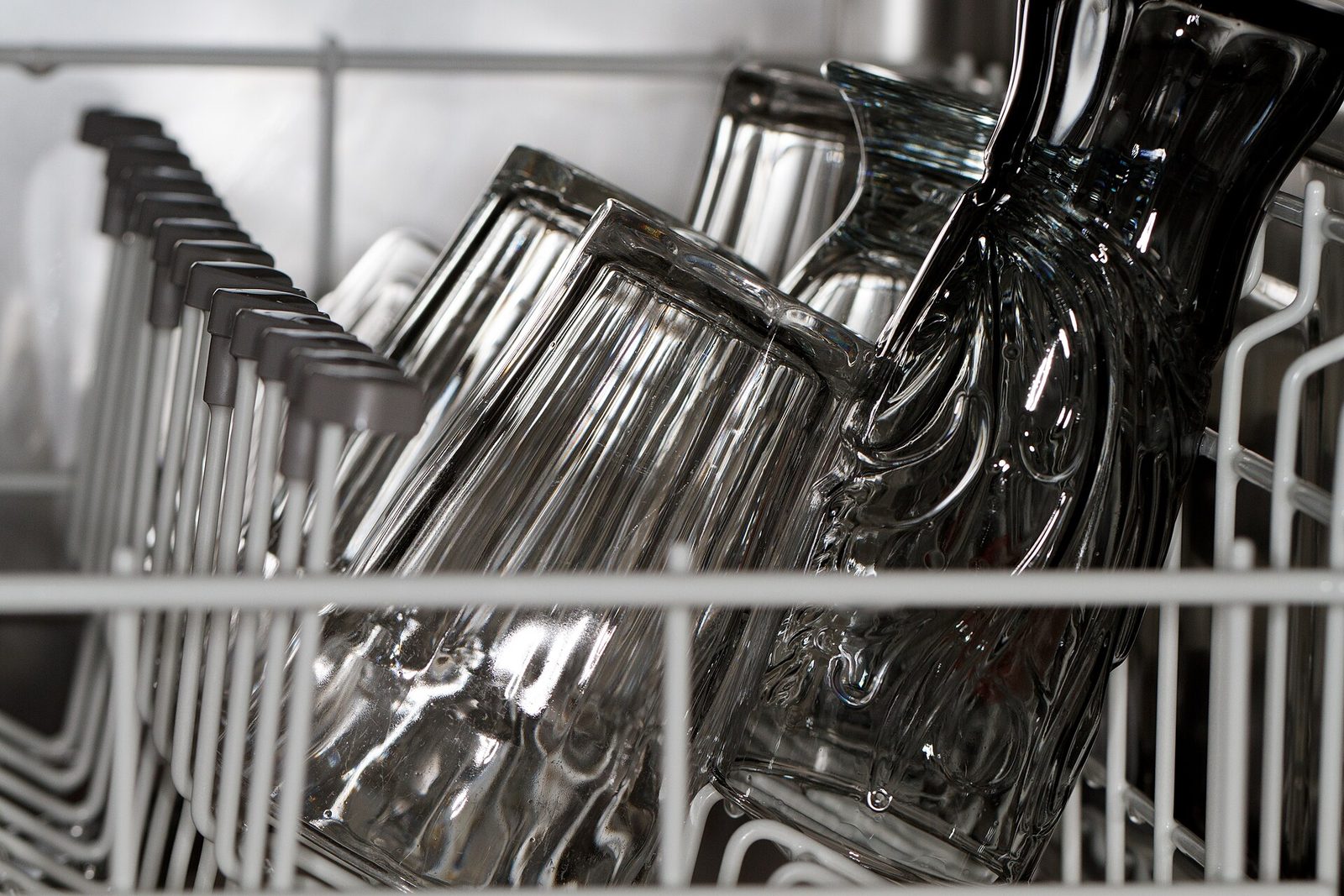
If your glasses are on the safe side of that line, the cycle still matters. Top rack only. Space the glasses so nothing touches, because glass knocking against glass in a hot wash is how rims chip. Use less detergent than the scoop suggests if your water is soft, since excess alkaline detergent with nothing to react against goes after the glass instead. Use rinse aid, skip the heated dry, and crack the door open at the end so the steam escapes.
US dishwasher detergents lost their phosphates around 2010: Washington State capped phosphorus in automatic dishwasher detergent at 0.5% by weight1, statewide from 1 July 2010, and about sixteen other states followed.
That change cuts both ways, and most write-ups get it backwards. Phosphate was the water softener in the box. Taking it out makes film more likely, because nothing is holding the minerals in solution any more. It makes etching less likely, because etching is what very soft water plus too much detergent2 does to glass. So if your glasses started going filmy in a machine that used to be fine, the timing probably is the reason. If they went permanently cloudy, phosphate is not your culprit.
One honest caveat on the popular half of that story: the evidence that filmy glassware became a more common complaint is extension offices3 reporting that their phones started ringing, not anybody counting. Take it as what it is.
What goes in, what stays out, and the settings that matter: how to clean wine glasses.
Drying without spots
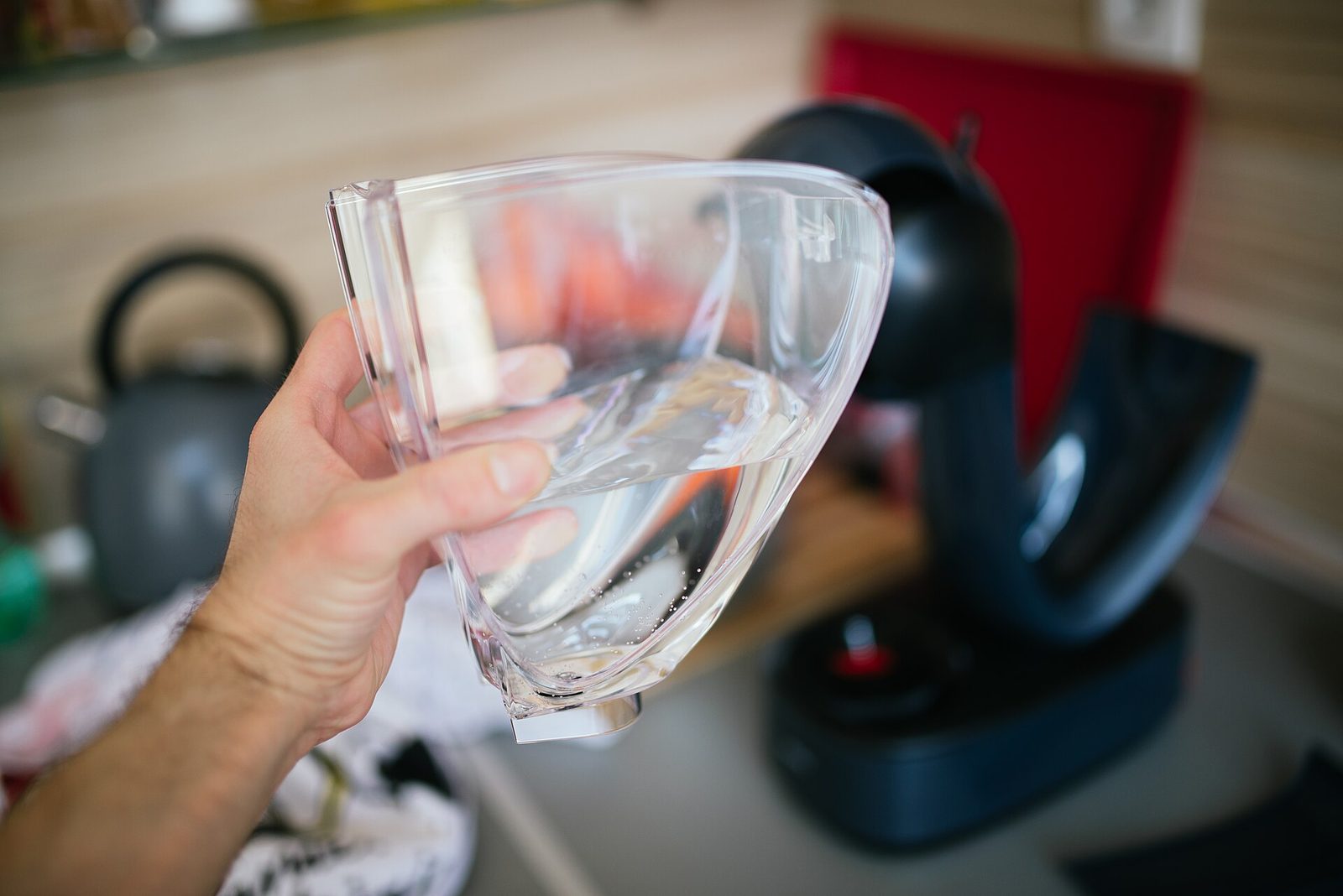
A water spot isn't dirt. It's the mineral content of your tap water, left behind on the glass after the water evaporates, which means the spot is created in the minutes after you finish washing and has nothing to do with how well you washed.
So beat the evaporation. Pull the glass out of the hot rinse and dry it while it's still warm; warm glass gives up its water fast and gives the minerals no time to settle. A glass left to air-dry on its own is a glass you'll be polishing later.
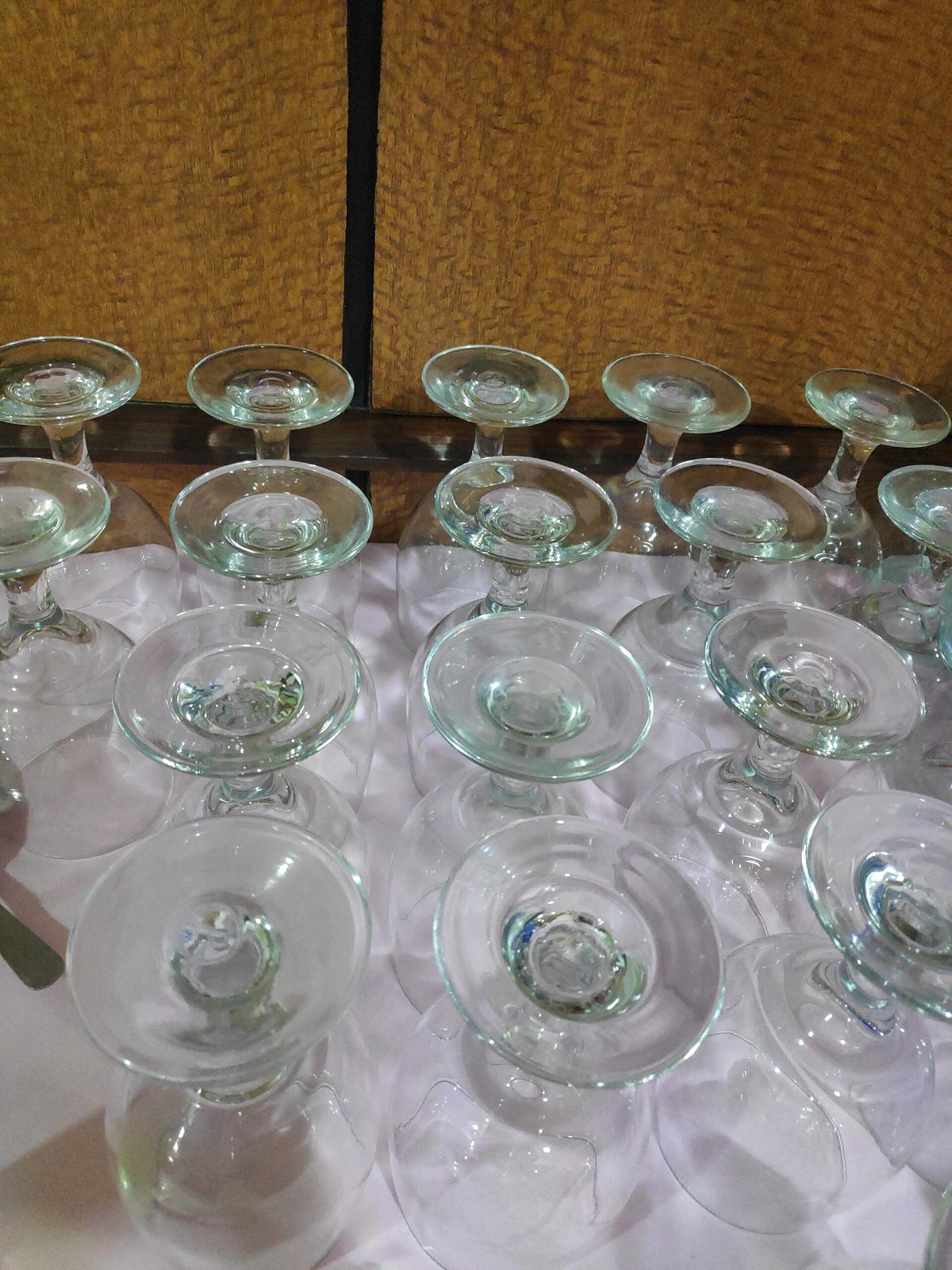
Rest glasses rim-down on a folded linen or microfiber towel while you work through the sink, not rim-down on a hard rack, which puts the weight of the glass on its thinnest part. Terry dish towels are the other trap. They shed, and lint on a wine glass is as visible as a spot.
Hard water spots that already dried on, plus what works on eyeglass lenses (different answer entirely): how to get rid of water spots on glasses.
Cloudy glasses: film you can remove, etching you can't
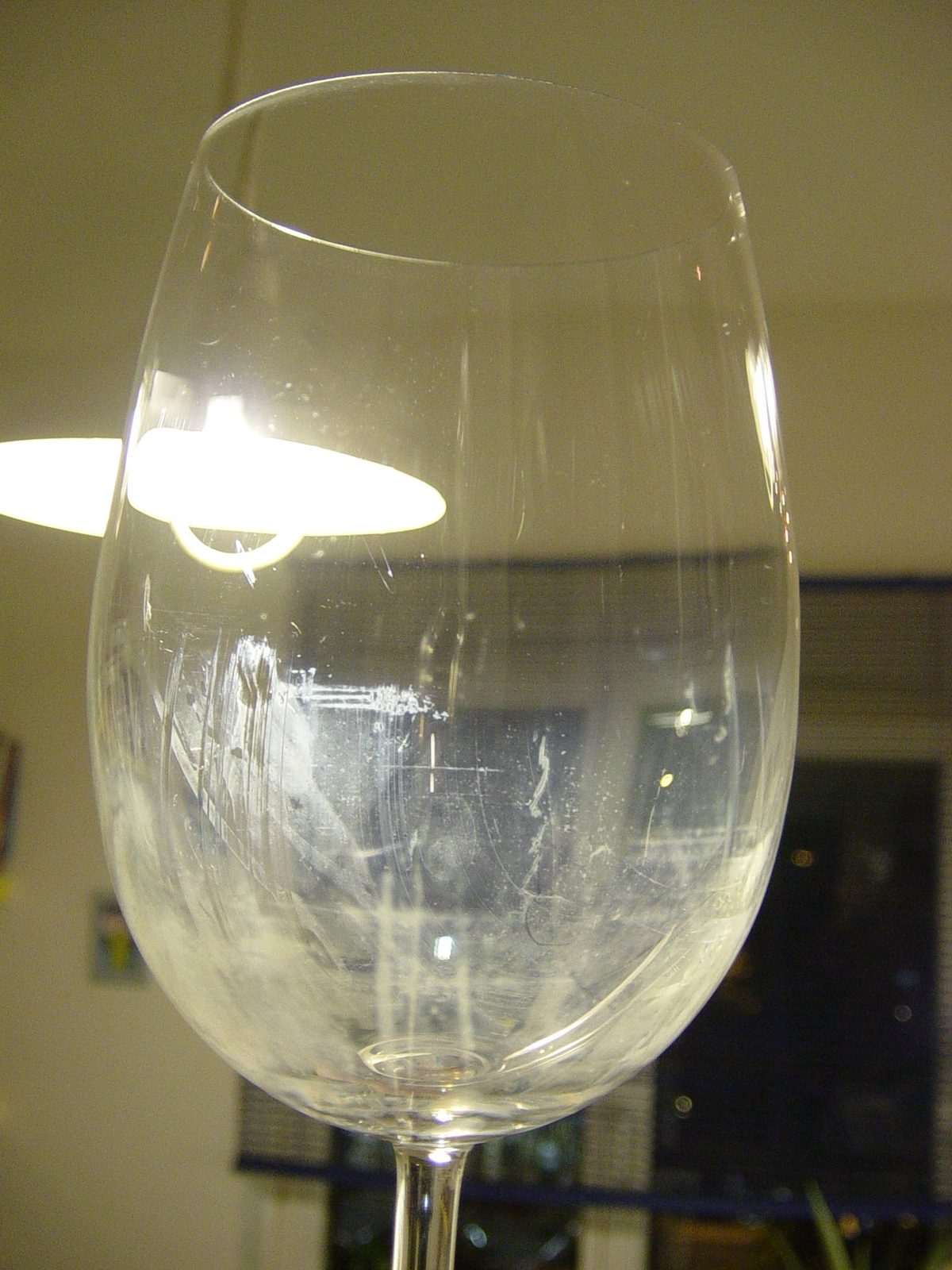
There's a ten-second test that tells you which one you have. Run the glass under water and look at it while it's wet. If the cloudiness disappears and comes back as it dries, it's mineral film sitting on the surface and you can take it off. If the glass stays dull while it's soaking wet, the surface itself is damaged.
Film comes off with acid. Soak the glass 15 to 30 minutes in equal parts white vinegar and warm water, rinse hot, dry and polish immediately. A denture tablet in warm water does the same job on a stubborn one. Bar Keepers Friend works too, and it's mildly abrasive, so use it rarely and never as a routine.
Etching is corrosion4. The dishwasher stripped a microscopic layer off the surface and no product reverses that, whatever the internet says. The glass is still safe to drink from. It's just never going to sparkle again, and the only real fix is keeping the rest of your glasses out of that cycle.
The full diagnosis, the soaks that work, and how to stop it happening again: how to clean cloudy glasses.
Polishing like a sommelier
Restaurants polish with steam, and it's the single biggest upgrade to how your glasses look. Fill a mug with just-boiled water, hold the bowl of the glass over it until the inside fogs, then polish. The condensation is distilled water with no minerals in it, so you're wiping a clean, damp surface instead of dragging a dry cloth over dust.
Then use two cloths, which is the part most people skip. Wrap one around the base and stem and hold the glass there, so your fingers never touch clean glass and never leave the prints you just removed. The second cloth goes into the bowl: thumb inside, fingers outside, light pressure.
Turn the glass from the base, or move the cloth. Never twist the bowl against a stem you're holding still, which is the exact motion that breaks stems in kitchens every night.
Check it against a light at an angle, not straight on. Straight on, everything looks clean.
Grip, sequence and the mistakes that leave streaks: how to polish wine glasses.
Storing stemware: the last step in wine glass care
Store wine glasses upright. Rim-down on a shelf puts the whole weight of the glass on the most fragile millimetre of it, and it seals stale air inside the bowl where it turns musty.
Hanging racks are fine over a bar and a bad idea over a stove. Cooking grease travels, settles on the rims, and a glass that hung there for three months needs a full wash before anyone drinks from it. Same reason the cupboard should be away from the oven: glass picks up odours, which is also why the original cardboard box is the worst storage container you own. Don't stack glasses inside each other either.
Glass type changes the care. Lead crystal is softer, heavier and more brilliant, hand wash only, and not the thing to leave spirits sitting in for months. The name is regulated, not decorative: in Europe a piece may only be sold as lead crystal at 24% lead oxide5 or more, and as full lead crystal6 at 30% or more. Those are floors, not typical values, so a glass sold as lead crystal contains at least that much and possibly a good deal more. Lead-free crystal uses barium, zinc or titanium oxide instead, keeps most of the brilliance, and is often machine-washable. Soda-lime glass7 is the everyday tumbler and the restaurant workhorse: less sparkle, thicker rim, and much harder to hurt.
The cloth that does the polishing
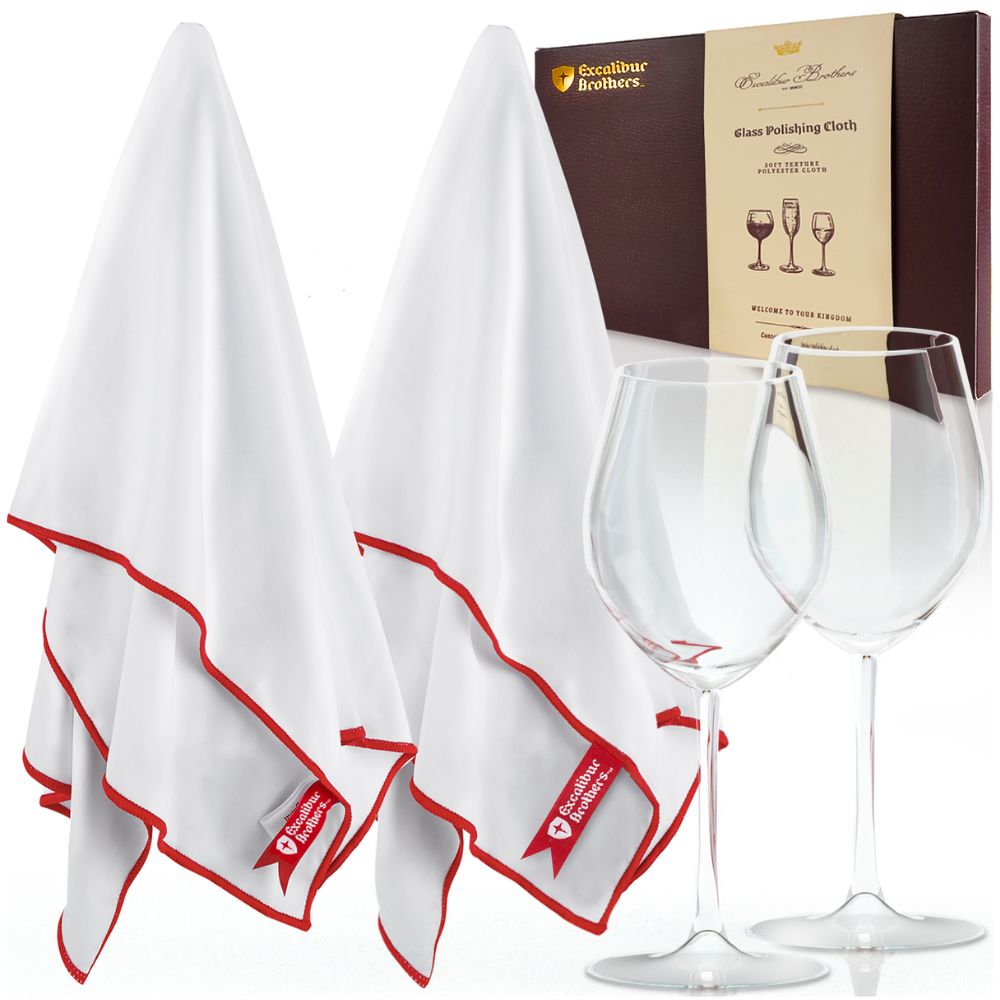
Glass Polishing Cloth (2 Pack) — $22.95 — 4.6★ (89 reviews)
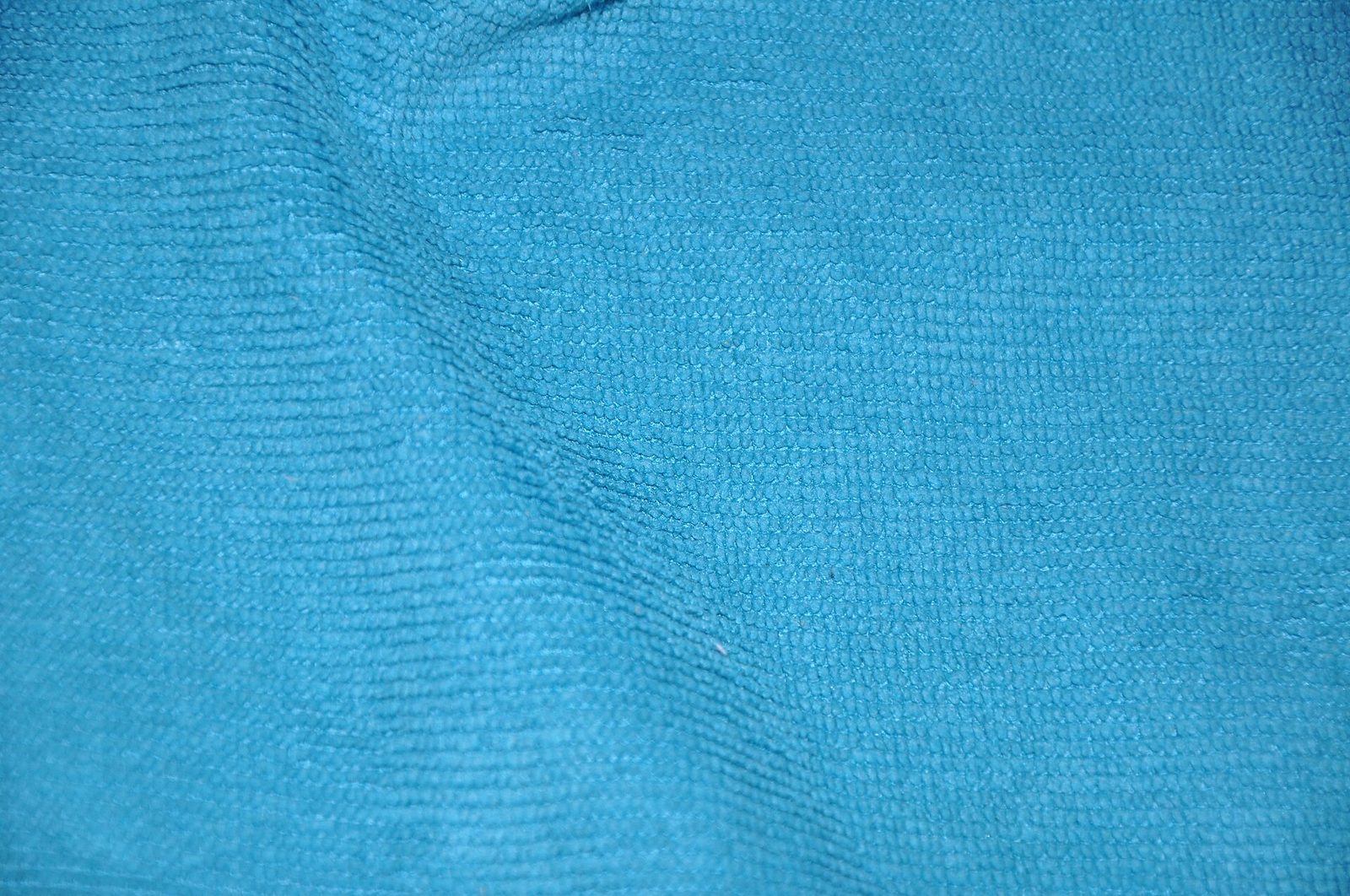
Two microfiber cloths, 23.5" × 20" each. Lint-free, streak-free, damp or dry, no chemicals needed. Washable and reusable.
Two things make a cloth work for stemware, and both are in that spec line. Size, because 23.5" × 20" is big enough to push a fold deep into a Burgundy bowl and still have dry cloth left over for the outside. And quantity, because the two-cloth grip described above needs two cloths, and buying them one at a time is how people end up holding the stem bare-handed.
Wash them without fabric softener. Softener coats microfiber and kills the absorbency, and a coated cloth is a cloth that smears.
They're not only for wine glasses: windows, eyeglasses, phone screens and stainless appliances all respond to the same thing.
Full specs, sizing and what owners say: wine glass polishing cloth. If it's going out as a present, it sits in the same bracket as the rest of the men's gift guide.
FAQ
What is the best thing to clean wine glasses with?
Hot water and a soft sponge for a glass that only held wine. Add one drop of unscented dish soap for lipstick or grease, then rinse hot and long. Skip scented soaps, which leave a smell in the bowl, and dry with a lint-free microfiber cloth rather than a terry towel.
Is Dawn dish soap OK to clean glasses?
Yes, in a very small amount and fully rinsed. The risk with any dish soap is film, not damage: too much detergent or a short rinse leaves a haze that dulls the glass and carries scent into your wine. Use a drop, rinse until the glass squeaks, dry it warm.
How do you get cloudy wine glasses clear again?
Soak 15 to 30 minutes in half white vinegar, half warm water, then rinse hot and polish dry. That lifts mineral film. If the glass still looks dull while it's wet, it's etched rather than dirty, and etching is permanent. How to clean cloudy glasses covers the difference.
What's the best way to polish wine glasses?
Steam the bowl over a mug of hot water, then polish with two lint-free microfiber cloths: one holding the base and stem so you leave no fingerprints, one working inside and outside the bowl. Turn the glass from the base, never by twisting the bowl. Check it at an angle against a light.
Can wine glasses go in the dishwasher?
Machine-made, lead-free stemware usually can, on the top rack, spaced apart, with less detergent and no heated dry. Mouth-blown glasses, lead crystal and anything gilded should be washed by hand. Dishwasher etching is the one kind of cloudiness nobody can fix afterwards.
Sources
Every figure, rule and date above traces to one of these. We link the body that issued it, never someone's summary of it, and we don't link anyone who sells what we sell.
- Washington State Legislature — House Office of Program Research, House Bill Report EHB 2322 (As Passed Legislature) — limiting the phosphorus content in dishwashing detergent. Checked 20 Sep 2026.
- Florida Cooperative Extension Service, IFAS, University of Florida, HELP! Our Glasses Are Cloudy! (Fact Sheet HE 3209). Checked 20 Sep 2026.
- Utah State University Extension (Kathleen Riggs), 27 January 2011, Dingy Dishes? Blame Reduced Phosphates. Checked 20 Sep 2026.
- Heliyon (Elsevier), via PubMed Central, Flake formation and composition in soda-lime-silica and borosilicate glasses. Checked 20 Sep 2026.
- Council of the European Communities — Official Journal L 326, 29.12.1969, Council Directive 69/493/EEC of 15 December 1969 on the approximation of the laws of the Member States relating to crystal glass. Checked 20 Sep 2026.
- The National Archives — legislation.gov.uk (UK Statutory Instruments), The Crystal Glass (Descriptions) Regulations 1973, Schedule. Checked 20 Sep 2026.
- National Institute of Standards and Technology (NIST), Certificate of Analysis, Standard Reference Material 1830 — Soda-Lime Float Glass. Checked 20 Sep 2026.
Everything in this guide
Wine Glass Polishing Cloth: Two per Pack, Water OnlyA lint-free microfiber cloth for wine glasses, two per pack. Water only, no streaks, no lint on the bowl, and
Water Spots on Glasses Need Vinegar, but Lenses Need SoapWater spots on glasses come off with a 15-minute vinegar soak and a dry microfiber cloth. Eyeglass lenses take
Why Cloudy Glasses Clear Up Unless the Glass Is EtchedHow to clean glasses that are cloudy: a 15-minute vinegar soak separates hard-water film, which comes off, fro
How to Clean Wine Glasses With a Single Drop of Dish SoapHow to clean wine glasses: one drop of unscented soap, hold the bowl and never the stem, rinse hot and dry wit

How to Polish Wine Glasses With Steam and Two ClothsHow to polish wine glasses: steam the bowl over hot water, hold the base through one microfiber cloth, finish

