
How to Polish Wine Glasses With Steam and Two Cloths
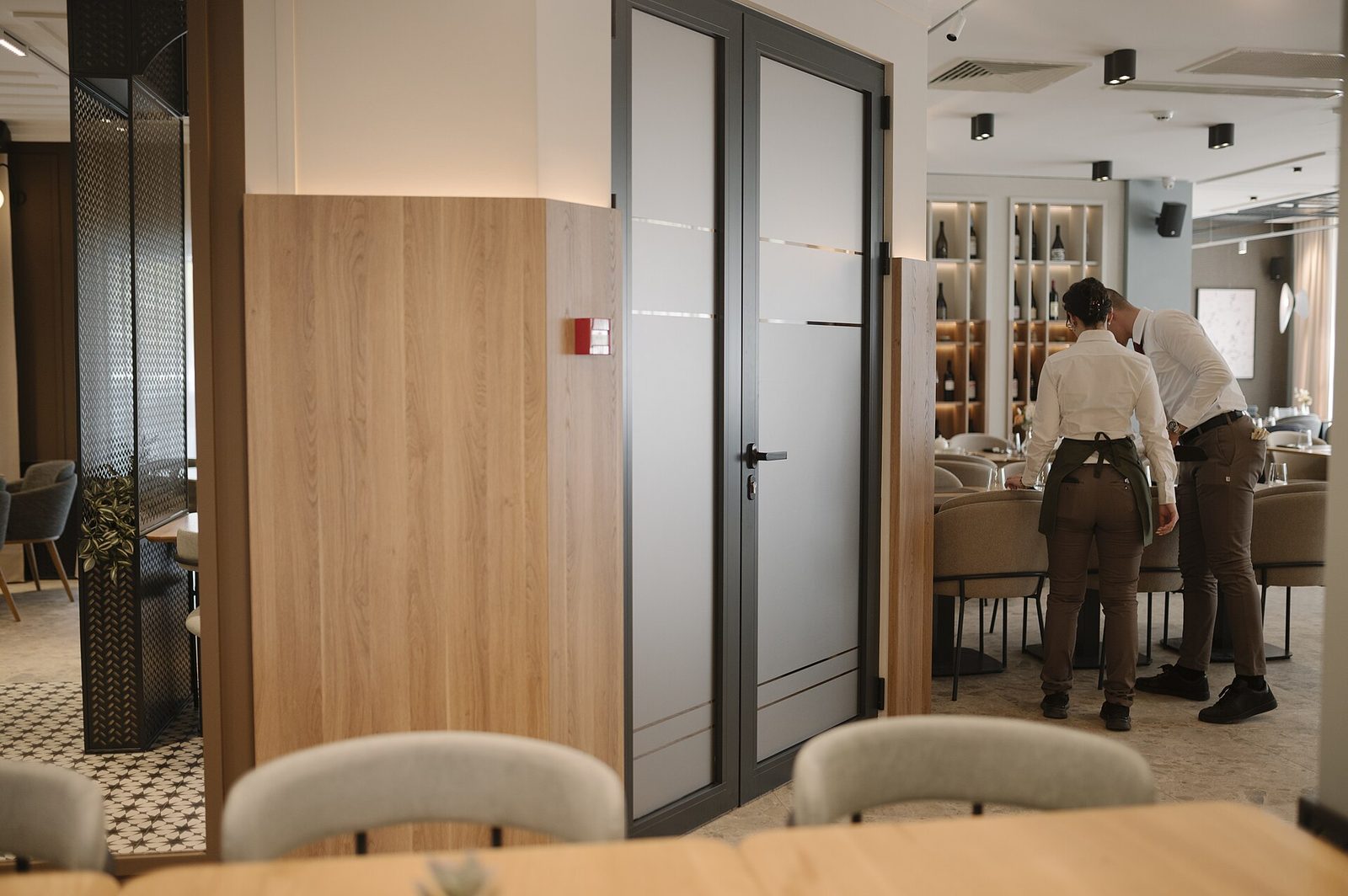
To polish wine glasses, hold the bowl over the steam from a mug of hot water until it fogs. Grip the base through a clean microfiber cloth1, work a second, barely damp cloth around the inside and outside of the bowl, finish with the dry one, then check the glass against a light.
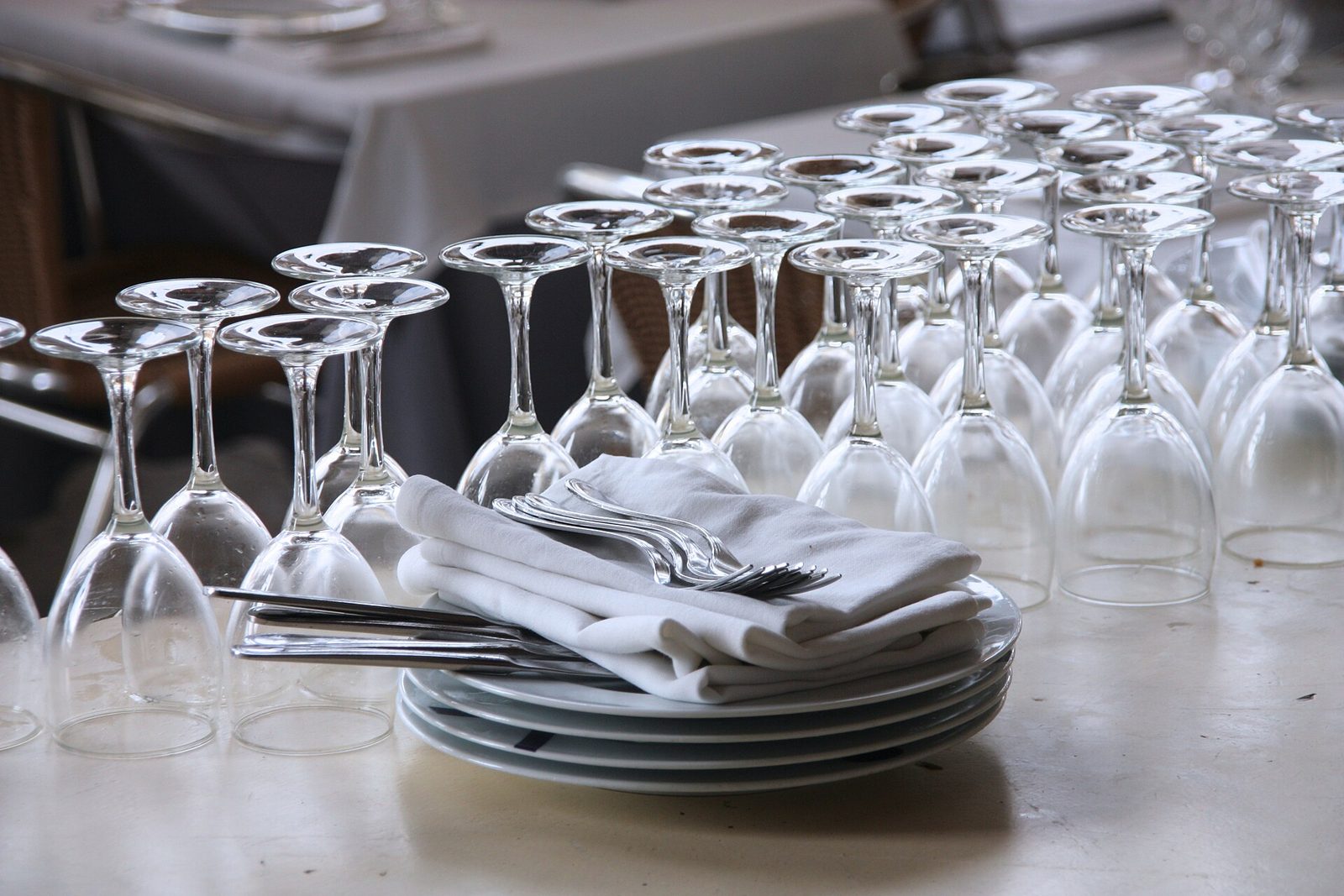
A clean glass and a polished glass are two different objects. Washing takes the wine out. Polishing takes off what the water left behind: the mineral haze, the drying marks down the side of the bowl, the lint from a tea towel, your thumbprint on the foot. Restaurants worked out how to polish wine glasses the expensive way, one snapped stem at a time. This is their method.
How to polish wine glasses: the sommelier method
Start with a glass that's still wet. Polish a dry glass and the dust just relocates, usually into a smear visible from across the room. If it's been in the cupboard a week, rinse it under hot water first and pick up at step two.
Steam the bowl. Hold the glass upside down over a mug of hot water for a few seconds, until the inside fogs. The steam re-wets the film so the cloth can lift it off, and it warms the glass, so the polish flashes dry instead of leaving fresh marks. Let the water off the boil first if the glass is thin crystal, which can crack over a rolling boil.
Hold the base through the cloth. Wrap one end of the cloth around the foot and keep your hand there for the rest of the job. Here's the part that costs money: stems snap when the bowl turns and the base doesn't. Turn the glass from the base and let it rotate as one piece. Never brace the foot on a counter and screw the bowl around on top.
Damp cloth, inside then outside. Push the cloth into the bowl with your thumb, fingers on the outside, and turn the glass slowly. Use almost no pressure. A thin crystal bowl gives way under a thumb long before a smudge does, and a bowl too narrow for your hand is a job for the corner of the cloth.
Dry cloth, then the light test. Second cloth, bone dry, over the outside of the bowl and down the stem to the foot. Hold the glass up to a lamp and turn it. Streaks only show at an angle, so a glass that reads clear head-on can still be filthy.
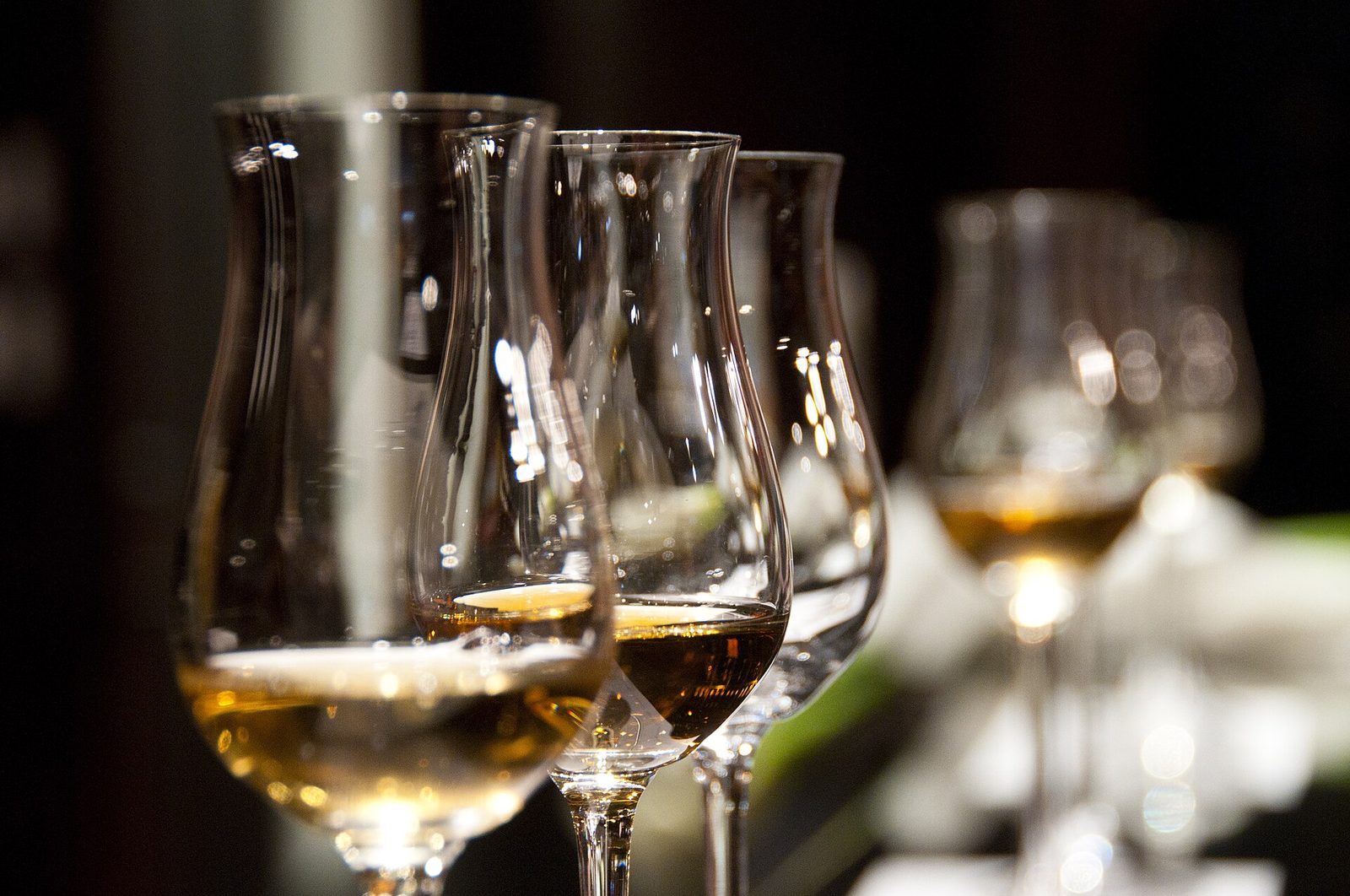
Which cloth to use for polishing wine glasses
Four things decide whether a polishing cloth works. Price isn't one.
Microfiber. Cotton terry bar towels shed, and the lint lands on the surface you just cleared. Paper towels do it faster. Microfiber picks particles up and holds them.
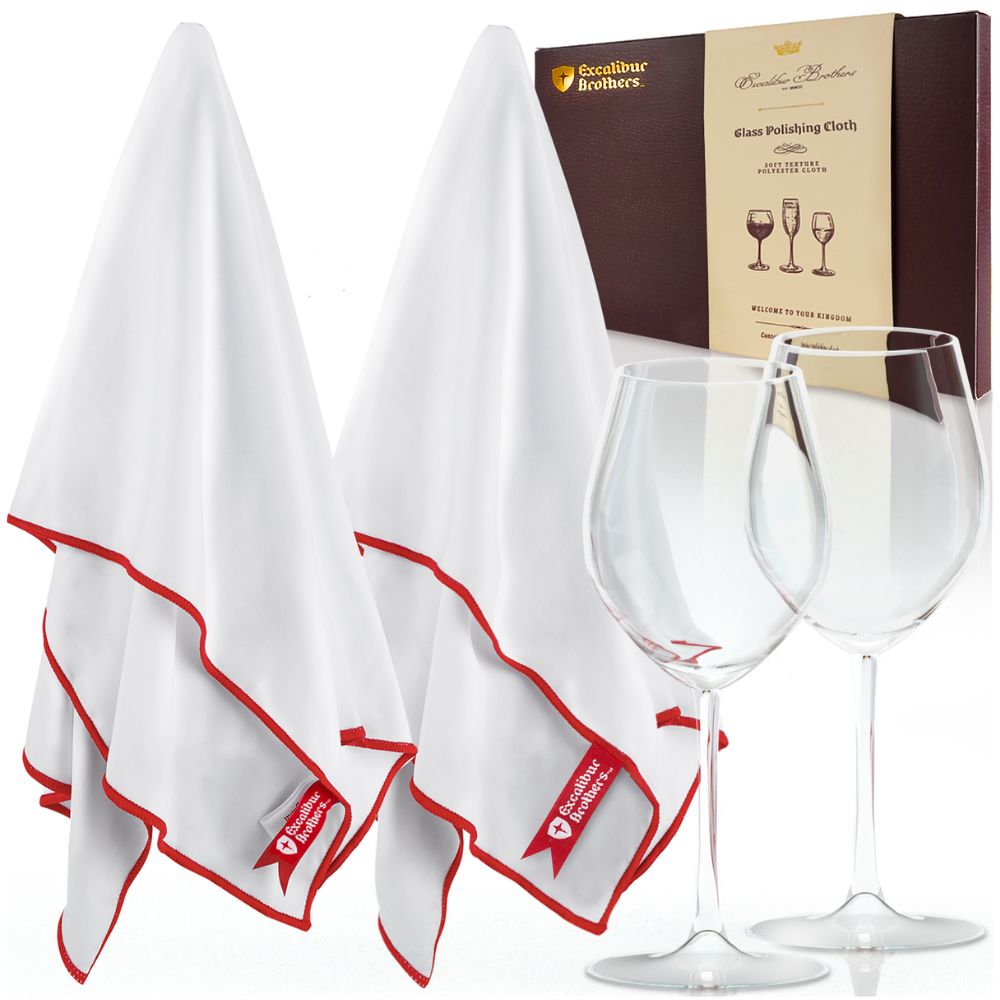
Big enough to wrap the bowl. A small cloth means your fingers end up on clean glass. Ours run 23.5" × 20" and come two to a pack, which is the point: wine glass polishing cloth.
Never washed with fabric softener. Softener coats the fibers and kills their grab, so a softened cloth smears where it used to lift. Hot wash, ordinary detergent, no conditioner, no dryer sheets. It's the most common way a good cloth goes bad.
Two at a time. One barely damp, one dry. A single cloth that's gone properly wet stops absorbing and starts spreading.
How to polish wine glasses like a pro: 40 before service
Servers work by the rack rather than the glass.
Keep a pot of water on low at one end of the pass. That's the steam station, hot for the whole run, so nobody waits on a kettle. Wash and rack everything first, then polish in a line while the glasses are still warm from the rinse. Warm glass is half the work.
Rotate cloths. Every eight or ten glasses the damp one is wet and the dry one is damp, so promote the dry cloth and pull a fresh one. A crew doing forty gets through three or four.
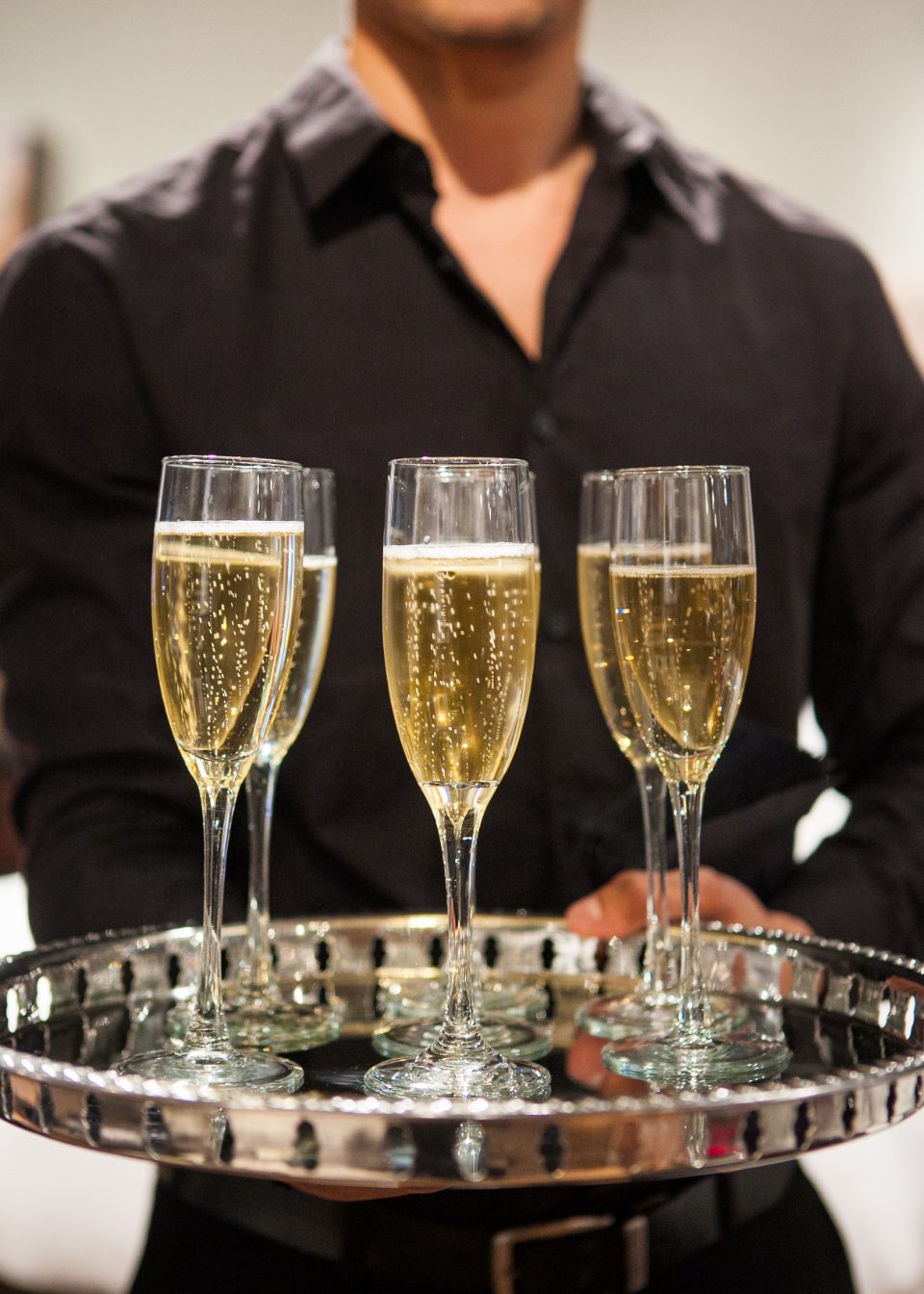
Finished glasses go onto the tray by the base. One person carrying six by the bowls undoes the rack.
Mistakes that leave streaks
Soap residue. If the glass streaks the same way every time, the problem started in the sink. One drop of unscented dish soap is plenty, and the rinse matters more than the soap. Full routine in how to clean wine glasses.
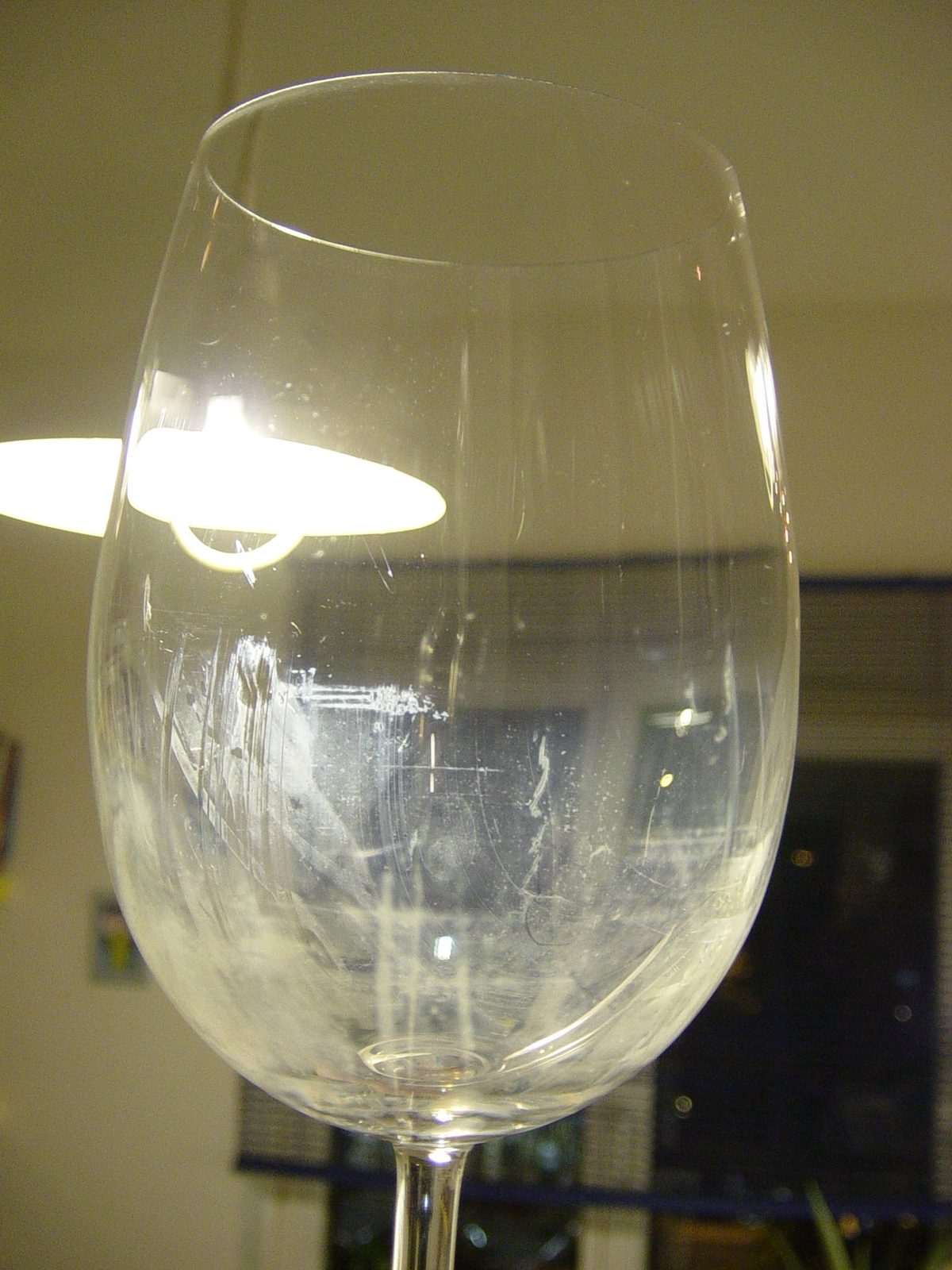
Hard water. Chalky dots that won't buff out are dissolved calcium sitting on the glass, and a cloth will never shift them. Vinegar will: see how to get rid of water spots on glasses.
Fingers on the bowl afterwards. Skin oil is the last thing to land on a glass and the first thing a guest sees. Base only, from the moment the dry cloth comes off.
Polishing over grit. A glass that went back in the cupboard dusty needs a rinse, not a buff. Rubbing dust against glass is how bowls end up permanently hazy, and once the surface is scratched no cloth reaches it. The storage habits that prevent it are in wine glass care.
Wine glass polishing FAQ
What's the best way to polish wine glasses? Steam and two cloths. Fog the bowl over hot water, hold the base through a microfiber cloth, polish inside and out with a second cloth that's barely damp, then finish with the dry one. Check it against a lamp at an angle before it goes away.
What is the best cloth to use for polishing drinking glasses? A large lint-free microfiber cloth, used damp or dry, with no spray or chemical. Cotton terry and paper towels leave lint behind. It should be big enough to wrap the bowl so your fingers stay off clean glass, and it should never meet fabric softener.
How do you use a glass polishing cloth? Damp for the first pass, dry for the second. Fog the bowl with steam, wrap one end of the cloth around the foot, push the other end into the bowl with your thumb, and turn the whole glass from the base. Wash it hot, no softener.
Sources
Every figure, rule and date above traces to one of these. We link the body that issued it, never someone's summary of it, and we don't link anyone who sells what we sell.
- U.S. Department of Veterans Affairs — VA Eye Clinic patient handout, How to care for your eyeglasses. Checked 20 Sep 2026.
Read next
Wine Glass Care in Five Habits and One Permanent MistakeWine glass care in five habits: wash by hand with almost no soap, rinse hot, dry warm, polish with microfiber,
Water Spots on Glasses Need Vinegar, but Lenses Need SoapWater spots on glasses come off with a 15-minute vinegar soak and a dry microfiber cloth. Eyeglass lenses take
Why Cloudy Glasses Clear Up Unless the Glass Is EtchedHow to clean glasses that are cloudy: a 15-minute vinegar soak separates hard-water film, which comes off, fro

