Why Cloudy Glasses Clear Up Unless the Glass Is Etched
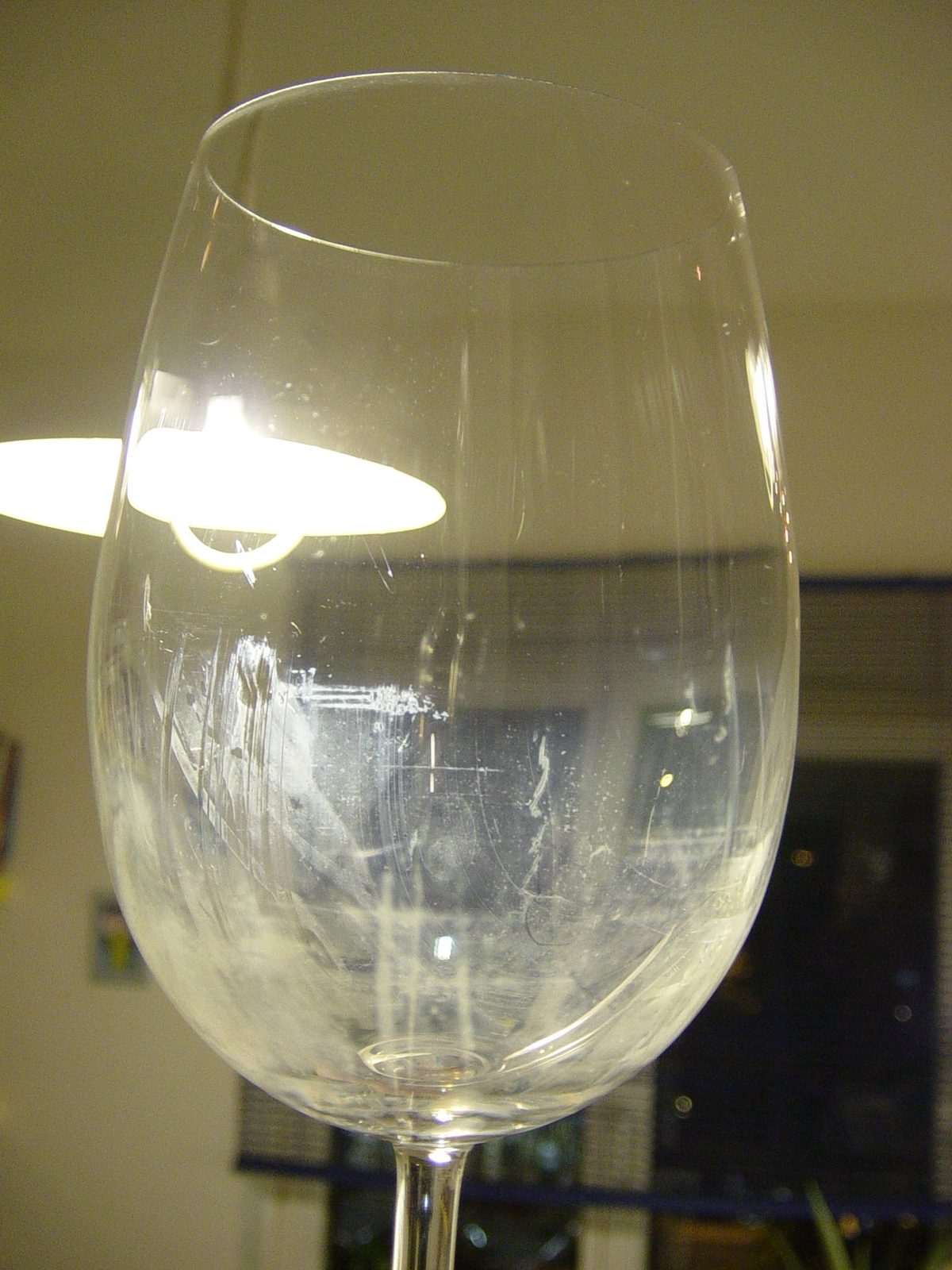
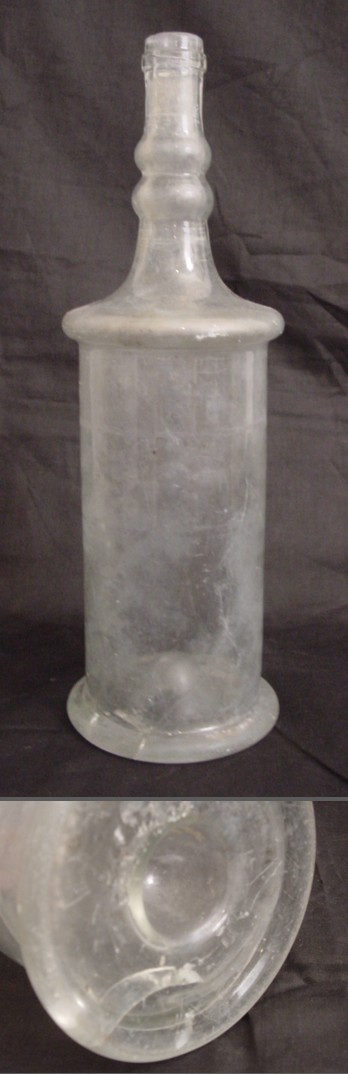
Fill a bowl with undiluted white vinegar and stand the glass in it for 15 minutes, then wash and dry it. If the haze is gone, it was mineral film from hard water, and it will come back until you change how you wash. If the haze stays, the glass is etched, and etching is permanent.
Everyone asking how to clean glasses that are cloudy is really asking one thing first: is the haze on the glass, or is it the glass? Vinegar answers that.
The vinegar test: film or etching, in 10 minutes
Hard water leaves calcium and magnesium behind every time a drop dries on a surface. That's film. It sits on top of the glass and acid dissolves it.
Etching is a different animal. Heat and alkaline detergent pull ions out of the glass surface itself, leaving it microscopically pitted so it scatters light instead of passing it. Nothing puts that back.
The test: stand the glass in plain white vinegar, undiluted, the 5% grocery jug. For a wine glass, fill the bowl and set it in a shallow dish so the outside soaks too. Fifteen minutes, an hour if the glass is badly filmed. Then wash it in warm water with a drop of lotion-free dish soap, dry it right away, and hold it up to a lamp.
Clear means film, and the next section fixes it. Still hazy means etched, so skip ahead.
Film is uneven, heavier near the base, and your fingernail catches on it. Etching is even over the whole glass and feels like satin.
How to clean glasses that are cloudy from hard water film
1. Soak in undiluted white vinegar, 15 minutes to an hour. Room temperature or warm. Never pour hot vinegar into a cold glass, since thermal shock cracks stemware faster than any cleaner does.
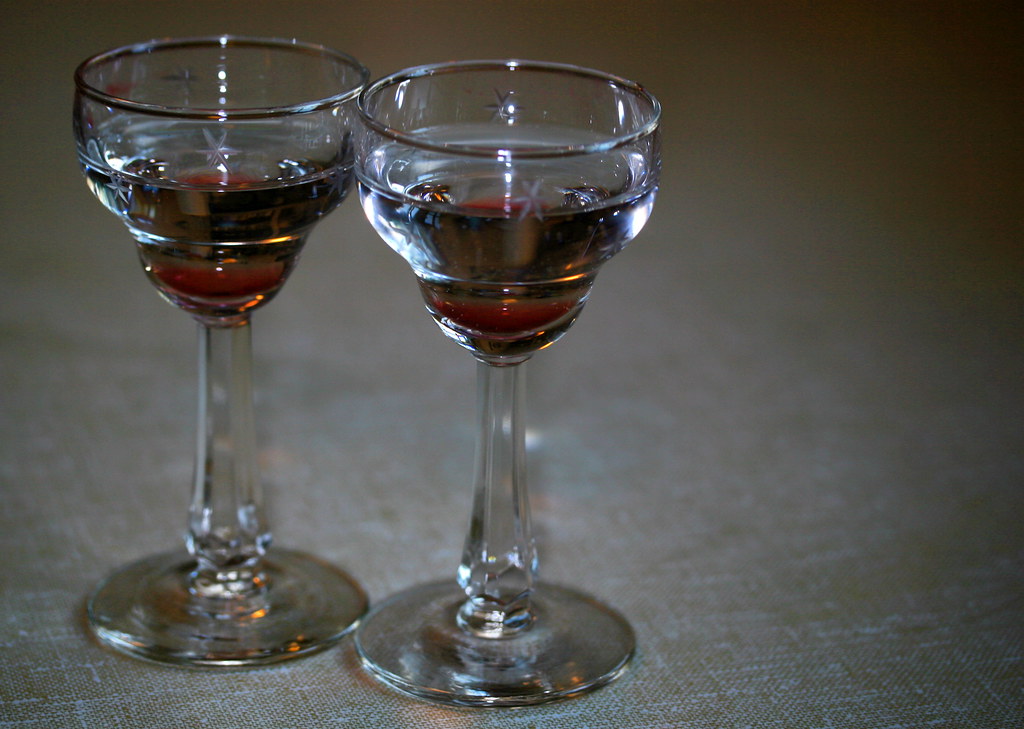
2. Wash it afterward, don't just rinse. Warm water, a drop of lotion-free dish soap, a soft cloth. Keep green scouring pads off glass: the scratches look exactly like the haze you're removing, and those are permanent.
3. Stubborn film: baking soda paste. Mix baking soda with a little water, put the paste on a damp cloth, work in light circles, rinse hot. Baking soda is soft enough that it won't scratch glass, unlike everything else abrasive under your sink.
4. Still there: an oxalic acid cleanser. Oxalic acid1 takes off what vinegar leaves behind. Paste from the powder or the soft cleanser, one minute, rinse thoroughly.
The one-minute limit is not a marketing line and we would rather you knew why. Oxalic acid is an irritant2 to skin, eyes and airways, and the federal conservation guidance that specifies it for stone lists glass among the materials it corrodes3. On a dirty tumbler for sixty seconds followed by a hard rinse, that is a fair trade. As a weekly routine on good stemware, you are trading film you can remove for etching you cannot. Use it as a last resort, wear gloves, keep it off gold rims and paint, and never let it dry on the glass.
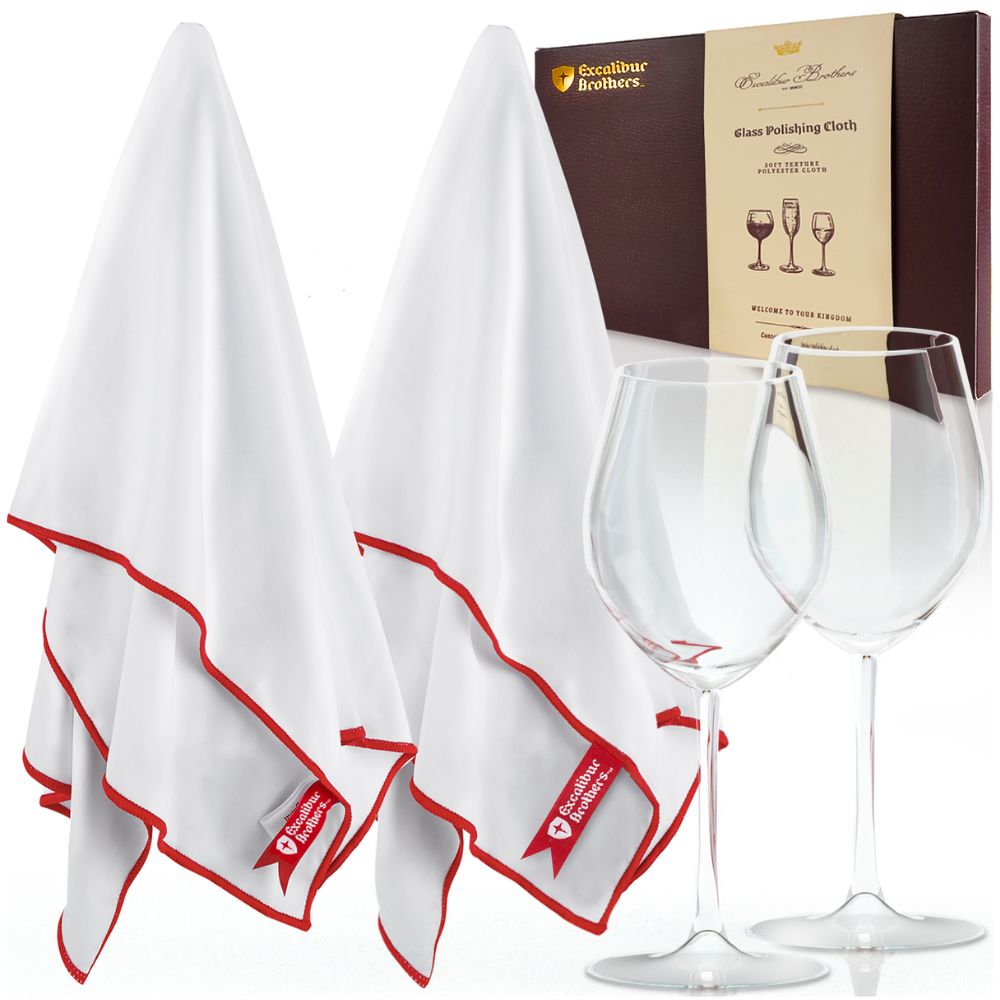
5. Rinse hot, then dry before the water dries itself. Water left to evaporate puts the minerals back where you found them. Polish while the glass is still warm with a large lint-free microfiber cloth. Our wine glass polishing cloth is 23.5" × 20", wide enough to hold the bowl through the fabric.
Why glasses turn cloudy in the dishwasher
Four settings cause almost all of it.
- Water too hot. The sanitize option runs the hottest water in the house. Glassware doesn't need it. Normal or light cycle.
- Too much detergent. Most people fill the cup because it's there. With soft water, half a dose does the job.
- Soft water plus detergent. The pairing that etches rather than films. Alkaline detergent needs minerals to work on; soft water hands it the glass instead. With a softener, use less, not more.
- No rinse aid. It lowers surface tension so water sheets off instead of beading, and a bead that dries is a spot. More in how to get rid of water spots on glasses.
Which glasses survive the dishwasher: thick tempered tumblers, machine-made pint glasses, anything you'd hand a teenager. Which don't: thin blown stemware, lead crystal (softer than soda-lime glass, clouds sooner), gold rims, painted decoration.
Cloudy wine glasses are usually the first casualty, since the bowls are thin and they ride in the same load as the roasting pan. Wash them by hand instead: how to clean wine glasses.
Etched glass: when cloudy glasses can't be cleaned
Nothing fixes etching. Not vinegar, not a hotter cycle, not polish, not the denture tablets from the forum threads. The top result for this search is a Reddit thread called "all of our glasses have become cloudy and nothing fixes it." That's right. Restoring a leached, pitted surface means grinding and repolishing the glass, which nobody does for a $4 tumbler.
Pull those glasses out of the dishwasher for good, since every cycle makes them worse, and fix the settings above before the next set goes the same way.
Eyeglass lenses that look cloudy
Most cloudy lenses are carrying residue rather than damage: skin oil, hairspray, dried soap. Wash them under lukewarm water with a drop of lotion-free dish soap, rinse, and dry with a clean microfiber cloth. Rinse the dust off before the cloth touches the lens, because trapped grit is what scratches it, and keep lenses away from heat, which is the hazard clinicians actually name.
If the haze survives that and shows under a lamp as patches or a fine web, the anti-reflective coating has gone, and no washing brings it back. Coatings wear out with repeated cleaning whatever you use, and heat is the hazard the clinics name. Those lenses get replaced and the frame stays. The lens section of how to get rid of water spots on glasses has what's safe on a coating.
Keeping them clear
Hand-wash anything thin in warm water with a drop of soap, holding the bowl rather than the stem. Dry it the moment it leaves the water, polish with microfiber while it's still warm, and store it upright so the rim stays off the shelf. More in wine glass care.
Cloudy glasses FAQ
What causes drinking glasses to turn cloudy? Two separate things. Hard water leaves calcium and magnesium4 on the surface every time a drop dries there, which is film and comes off with acid. Or heat and alkaline dishwasher detergent corrode the glass surface itself, which is etching and doesn't come off at all.
How do I get the cloudiness out of my glasses? Soak in undiluted white vinegar for 15 minutes, wash in warm water with lotion-free dish soap, then dry and polish with a microfiber cloth before the water evaporates on its own. Baking soda paste or Bar Keepers Friend handles whatever is left. If the haze survives that, it's etched.
Are there drinking glasses that don't get cloudy? No glass is immune, though thick tempered tumblers and borosilicate5 hold up better than thin lead crystal, which is softer and clouds first. How you wash matters more than what you buy: hand-washed crystal stays clear for decades, and the same glass run hot every day will not.
Sources
Every figure, rule and date above traces to one of these. We link the body that issued it, never someone's summary of it, and we don't link anyone who sells what we sell.
- PubChem, National Library of Medicine (NIH) — CID 971, Oxalic acid, Oxalic acid — Uses. Checked 20 Sep 2026.
- CDC / NIOSH — NIOSH Pocket Guide to Chemical Hazards, Oxalic acid — NIOSH Pocket Guide to Chemical Hazards. Checked 20 Sep 2026.
- U.S. General Services Administration — Historic Preservation Technical Procedures, Poulticing rust stains from limestone and marble. Checked 20 Sep 2026.
- Florida Cooperative Extension Service, IFAS, University of Florida, HELP! Our Glasses Are Cloudy! (Fact Sheet HE 3209). Checked 20 Sep 2026.
- National Institute of Standards and Technology (NIST), NIST Handbook 105-2: Specifications and Tolerances for Reference Standard and Field Standard Weights and Measures (2021). Checked 20 Sep 2026.
Read next
Wine Glass Care in Five Habits and One Permanent MistakeWine glass care in five habits: wash by hand with almost no soap, rinse hot, dry warm, polish with microfiber,

How to Polish Wine Glasses With Steam and Two ClothsHow to polish wine glasses: steam the bowl over hot water, hold the base through one microfiber cloth, finish
Wine Glass Polishing Cloth: Two per Pack, Water OnlyA lint-free microfiber cloth for wine glasses, two per pack. Water only, no streaks, no lint on the bowl, and