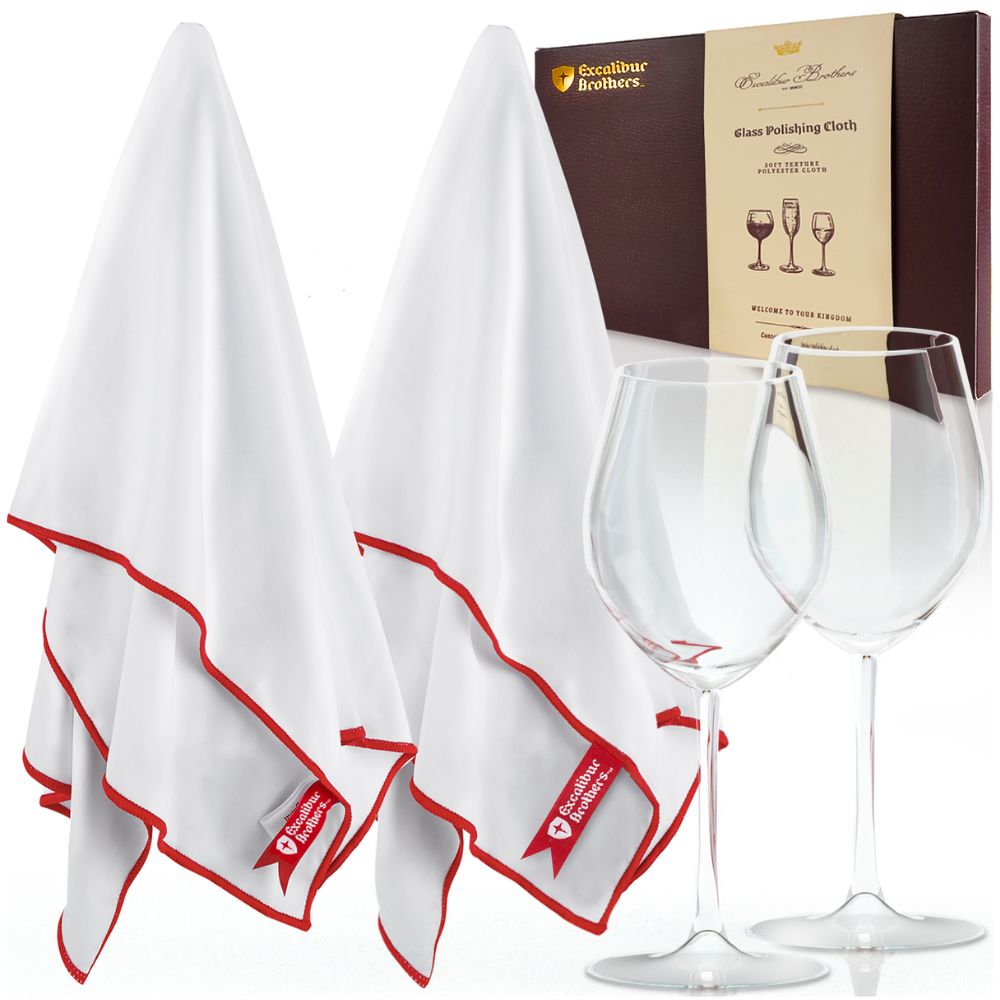
How to Clean Wine Glasses With a Single Drop of Dish Soap
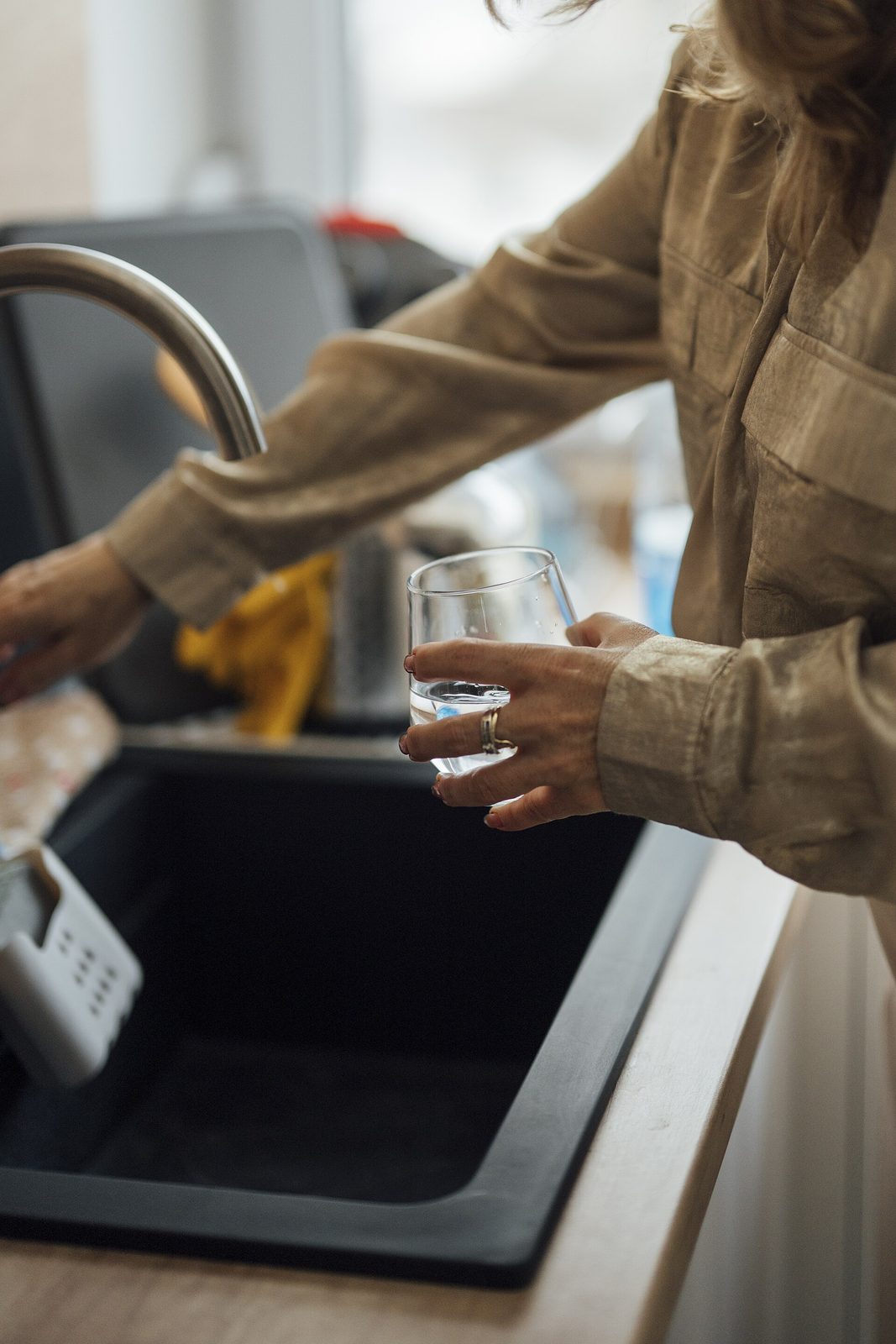
Wash wine glasses by hand in warm water with one drop of unscented dish soap, or none at all. Hold the bowl, never the stem, and never twist. Rinse under water as hot as your hands will take, then dry immediately with a lint-free microfiber cloth, before the water has a chance to leave mineral spots.
Most people already know how to clean wine glasses. What kills the glass is the next sixty seconds: a wet stem in a tired hand, or a bowl left to air-dry on the rack.
How to clean wine glasses by hand
- Empty the sink and lay a towel in the bottom. More stemware dies against a faucet or a soaking saucepan than from any cleaning mistake. Wash the glasses on their own, before the dishes.
- Rinse the wine out early. Red dries into a tannin ring that then needs a soak to shift. If it's one in the morning and the bottle is gone, run water into them and wash them sober. Wet glass plus tired hands is the classic way to lose a stem.
- Warm water, one drop of soap at most, unscented. Perfume in the soap ends up on the nose of the next glass of wine, and you'll catch it before the first sip.
- Hold the bowl, not the stem. Cup the bowl in your washing hand and let the stem and foot hang. Stems snap when you grip the foot and rotate the bowl against it, which is the motion you make scrubbing the inside.
- Soft sponge, or a long-handled stemware brush. Anything abrasive leaves scratches, and a scratched bowl reads as cloudy forever. Don't force your hand into a narrow bowl. That's the same twist, from the inside.
- Rinse hot. Hot water sheets off and evaporates fast, so it leaves less behind to dry into. On thin crystal, let the temperature climb instead of going from cold straight to near-boiling, which can crack it.
How to wash wine glasses in the dishwasher
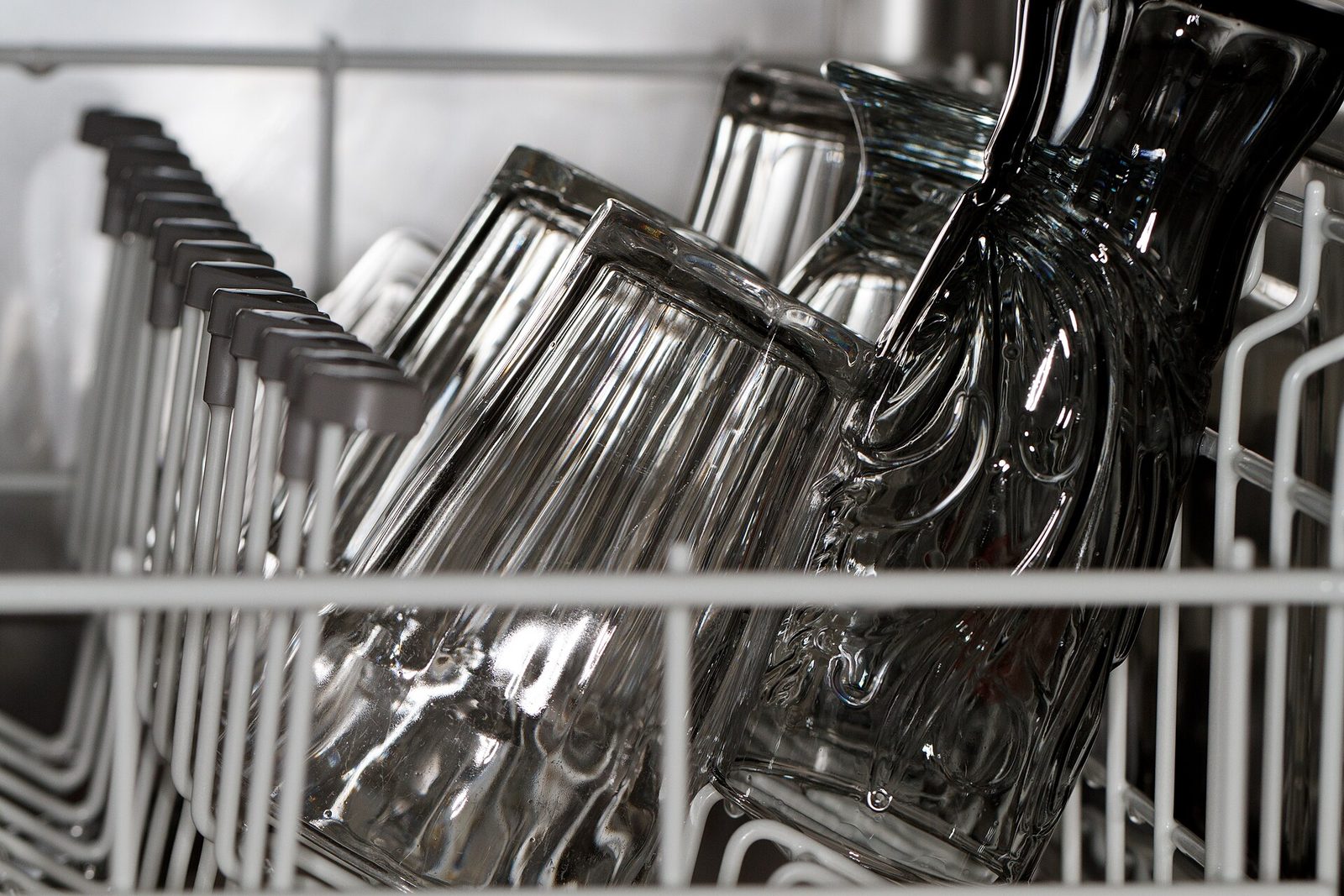
Some glasses are fine in there. Thick machine-made glasses, tumblers, stemless bowls and tempered restaurant stemware are built for the cycle. Thin crystal, hand-blown glasses, long fine stems and gilt or painted rims should never see one. If yours are in the first group:
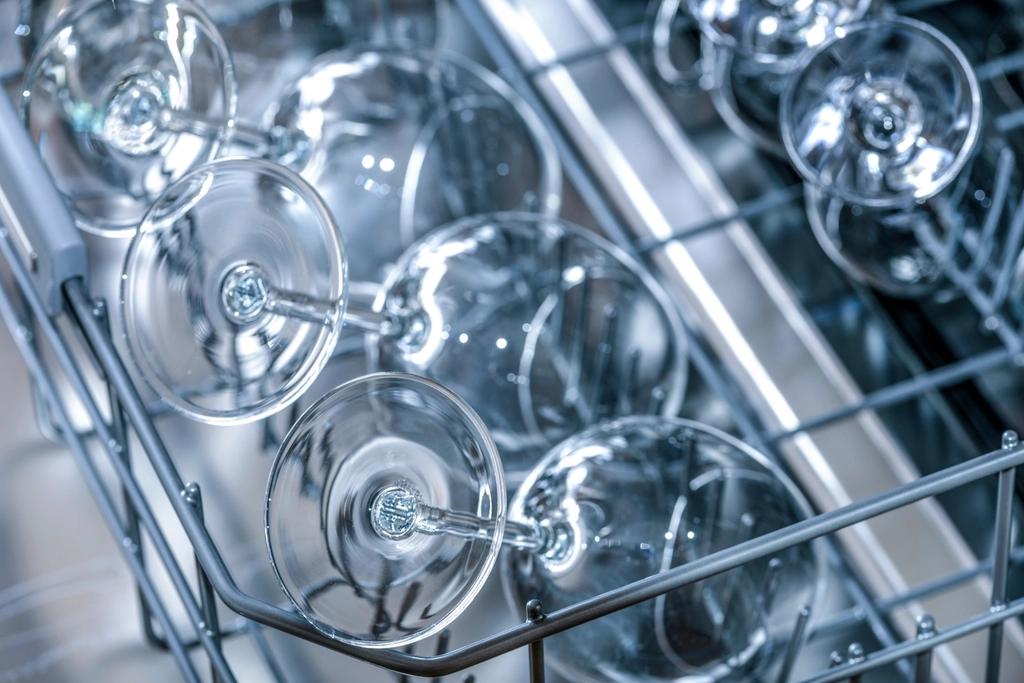
- Top rack only, with the stem clips if your rack has them. A glass that shifts mid-cycle taps the one beside it.
- Don't overload. Glasses that touch come out chipped, and a packed rack blocks the spray arm so you get a film instead of a rinse.
- Skip the heated dry. Sustained heat is hard on thin glass, and it bakes spots on rather than leaving them for you to wipe off.
- Rinse aid yes, heavy detergent no. Soft water plus too much detergent plus heat is how glass gets etched, and etching is permanent.
Open the door as soon as the cycle ends and pull the glasses out warm. A dishwasher will get them clean. Getting them clear still happens by hand.
Is Dawn dish soap okay to clean wine glasses?
One drop of Dawn is fine. The trouble starts at two. Dish soap is designed to cling to grease, so it clings to glass as well, and whatever doesn't rinse away dries into a film you can't see.
That film shows up in the wine twice. It dulls the aroma, and it flattens sparkling wine, because surfactant residue drops the surface tension and the bead collapses instead of climbing the bowl.
So rinse for longer than feels reasonable, and skip anything scented or sold as moisturizing. Plenty of people who handle stemware for a living use hot water and a brush and nothing else. For a glass that held only wine, that's enough.
How to dry wine glasses without spots
Spots are minerals. Tap water carries dissolved calcium and magnesium1; when a drop evaporates on its own, the minerals stay. Air-drying guarantees them. Drying inside the first minute prevents them.
- Start while the glass is still warm from the rinse. Shake the loose water out first.
- Hold the bowl over the steam from a mug of hot water for a second or two. Steam re-wets the film so the cloth lifts it instead of pushing it around.
- Two cloths. One barely damp for inside the bowl, one dry for everything after.
- Hold the bowl through the cloth, both hands, no twist. Check it against a lamp before it goes away.
Cloth choice matters more than technique. Cotton dish towels and paper towels shed lint onto the surface you just cleared. Microfiber doesn't, and a cloth big enough to wrap the bowl keeps your fingers off clean glass. Ours runs 23.5" × 20", two to a pack: wine glass polishing cloth.
Store them upright, or rim-down on a folded towel rather than bare wood, where the rim takes the weight of the glass and picks up cupboard smell. The long version of the finish is in how to polish wine glasses. If the spots are already there, getting rid of water spots on glasses has the vinegar fix.
How to clean cloudy wine glasses
Cloudiness is either film or etching. Film is mineral scale and soap residue sitting on top of the glass, and 15 minutes in warm white vinegar takes it off. Etching is microscopic pitting2 in the glass itself, earned over years of dishwasher detergent, and nothing brings it back1.
Test it with your thumb and a drop of white vinegar on the haze. Clear while wet means film, and you can fix it. Still milky means etched. The full method, Bar Keepers Friend included, is in how to clean cloudy glasses.
The habit, in one line
Rinse when the bottle's done, then wash and dry in daylight. A glass that never air-dries never clouds, and a glass that never clouds never needs vinegar. Storage and the rest of the routine live in wine glass care.
Wine glass cleaning FAQ
How do you get cloudy wine glasses clear again? Soak them in warm white vinegar for about 15 minutes, wash in warm water, then dry with a microfiber cloth straight away. That lifts mineral film and soap residue. If the haze survives the vinegar, the glass is etched from dishwasher detergent and no cleaner will reach it.
How do you clean wine glasses so they sparkle? Wash by hand with almost no soap, rinse hot, and dry before the water can evaporate. Then steam each bowl over a mug of hot water and polish with two microfiber cloths, one barely damp and one dry. Hold the bowl through the cloth so your fingers never touch the clean surface.
What is the best thing to clean wine glasses with? Hot water and a soft long-handled stemware brush, plus a lint-free microfiber cloth for the drying. Add a single drop of unscented dish soap only when a glass held something oily or sat overnight. Skip scented soap, scouring pads, paper towels and anything sold as moisturizing.
Can you clean wine glasses with vinegar? Yes, and it's the standard fix for cloudiness. Use plain white vinegar, warm, either as a 15-minute soak or mixed half and half with water as a rinse. Rinse it off with clean water afterwards. Vinegar left on a glass is as easy to smell as leftover soap.
Sources
Every figure, rule and date above traces to one of these. We link the body that issued it, never someone's summary of it, and we don't link anyone who sells what we sell.
- Florida Cooperative Extension Service, IFAS, University of Florida, HELP! Our Glasses Are Cloudy! (Fact Sheet HE 3209). Checked 20 Sep 2026.
- Heliyon (Elsevier), via PubMed Central, Flake formation and composition in soda-lime-silica and borosilicate glasses. Checked 20 Sep 2026.
Read next
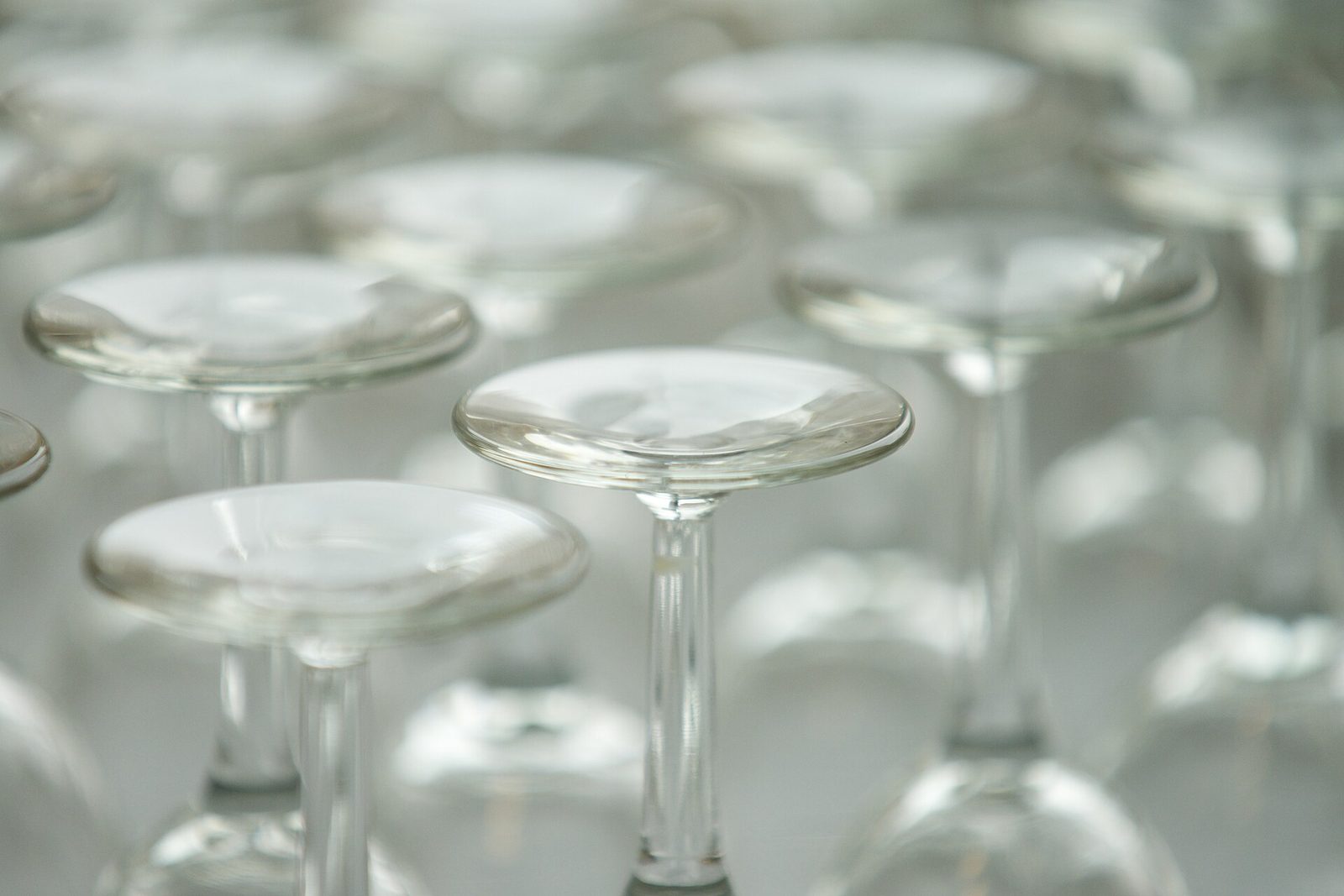
Wine Glass Care in Five Habits and One Permanent MistakeWine glass care in five habits: wash by hand with almost no soap, rinse hot, dry warm, polish with microfiber,
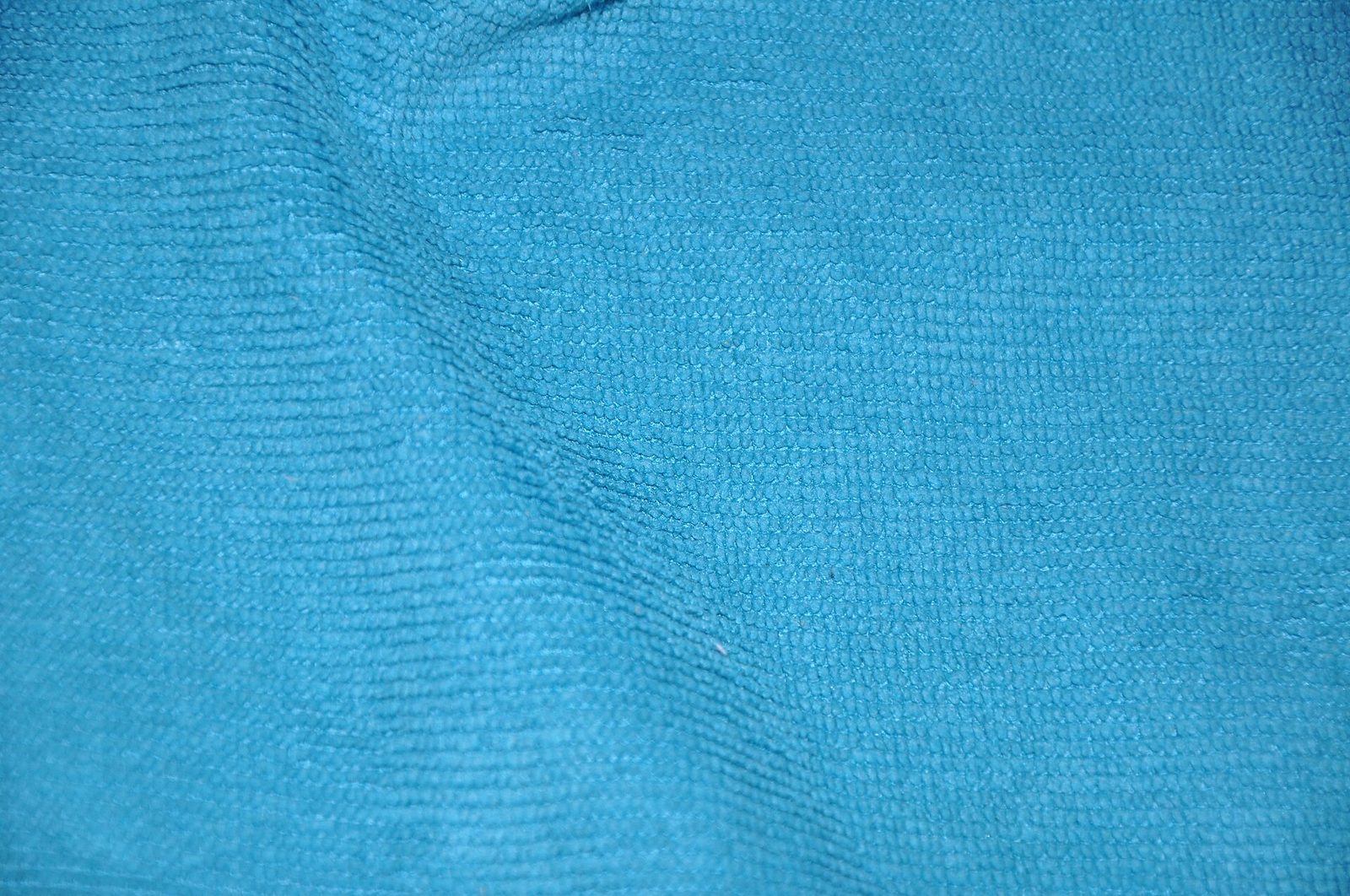
Wine Glass Polishing Cloth: Two per Pack, Water OnlyA lint-free microfiber cloth for wine glasses, two per pack. Water only, no streaks, no lint on the bowl, and
Water Spots on Glasses Need Vinegar, but Lenses Need SoapWater spots on glasses come off with a 15-minute vinegar soak and a dry microfiber cloth. Eyeglass lenses take