What Should You Put in a Hip Flask So the Taste Holds Up?
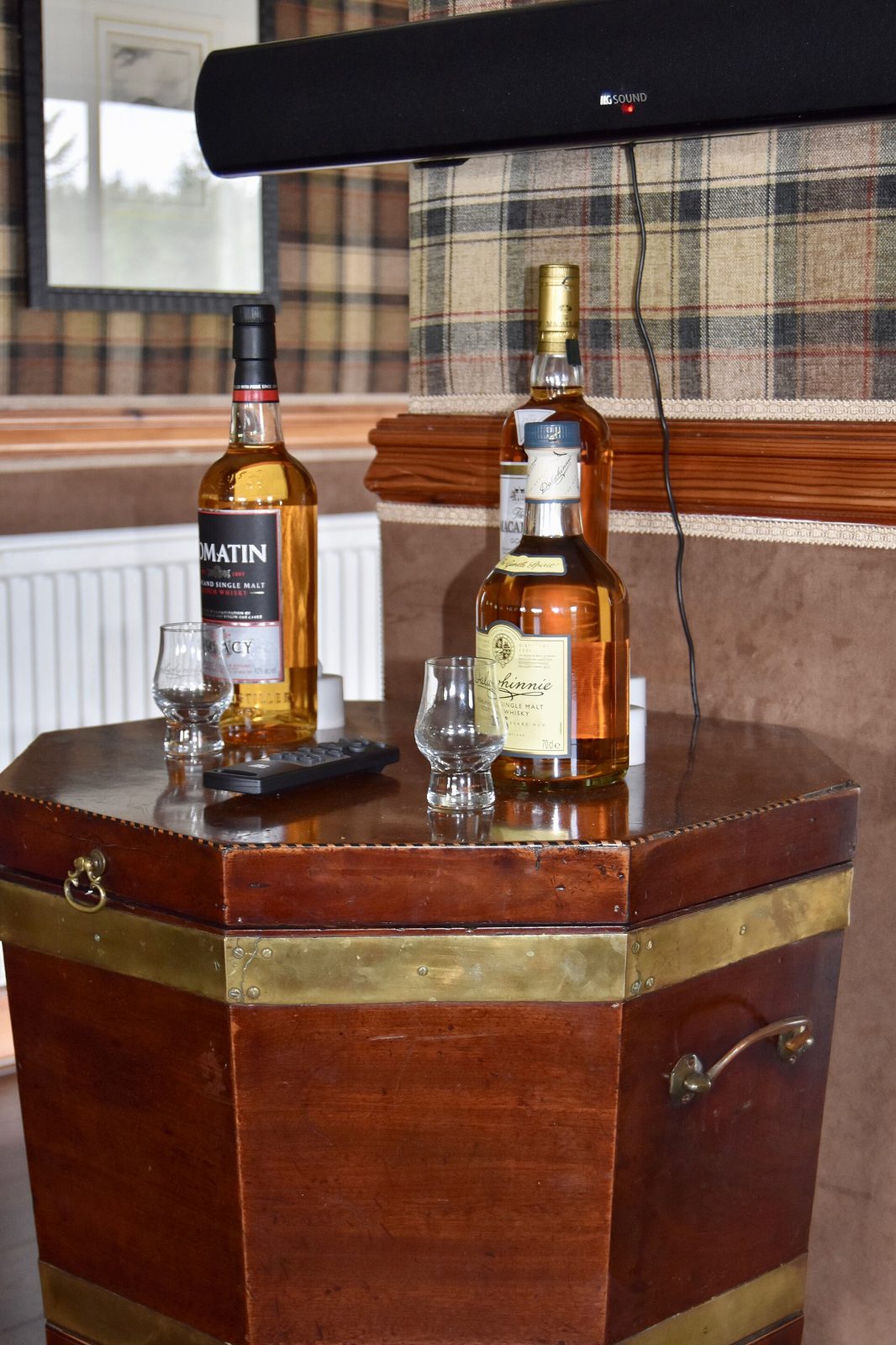
Put high-proof spirits in a hip flask, neat: whiskey, rum, brandy, gin. Anything 80 proof1 or above keeps at room temperature for days without spoiling. Keep out wine, beer, cream liqueurs, and anything carrying citrus or juice. No mixers, nothing fizzy. A flask carries a drink you already like straight.
Two mistakes account for most ruined flasks: pouring something sweet in, or forgetting what you poured in until March. Here's what each spirit does in there, and how long before the whiskey tastes of flask. Filling and carrying are in our hip flask guide.
What to put in a hip flask: four spirits that earn the space
The filter is boring and it works: 80 proof or higher, no sugar. High proof preserves itself without refrigeration, and sugar dries into a film inside a neck too narrow for any brush you own.
Whiskey: bourbon, rye, scotch and Irish
The default, and what I'd carry. Bourbon at 90 to 100 proof is the easy answer: sweet enough to drink warm, strong enough that a weekend in steel does nothing to it. Rye if bourbon's corn sweetness cloys by the third sip. Scotch works, though peat gets louder at body temperature: a peated Islay in a flask is a bigger drink than you remember ordering.
Before you decant something expensive: no glass, no room to swirl, so the top notes go unnoticed. Carry the $35 bottle.
Rum
Aged and dark rums are built for this, and navy strength at 114 proof won't care what you do to it. Spiced rum is the catch: most are sweetened, so it leaves a sticky ring if it sits a week.
Brandy and cognac
The cold weather pick. VSOP cognac or American apple brandy, both around 80 proof, both better slightly warm, which is what a jacket pocket does to them. Read the label on cheap brandy, some of which is sweetened.
Gin and vodka
London dry at navy-ish strength, like Tanqueray's 94-proof US bottling, is underrated in summer, when brown spirits feel heavy. Vodka keeps indefinitely and tastes of very little, which is either the point or the problem depending on you. What doesn't survive is a pre-batched martini: vermouth is wine, fine for an afternoon and oxidized by tomorrow.
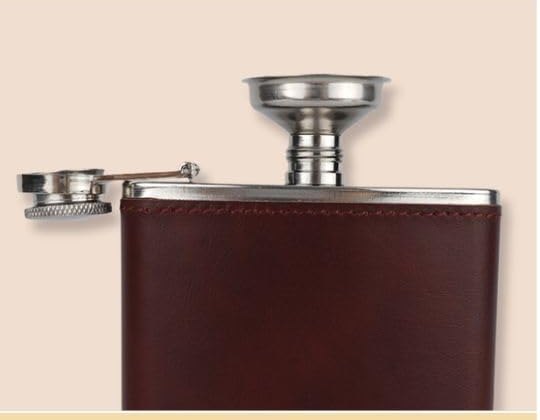
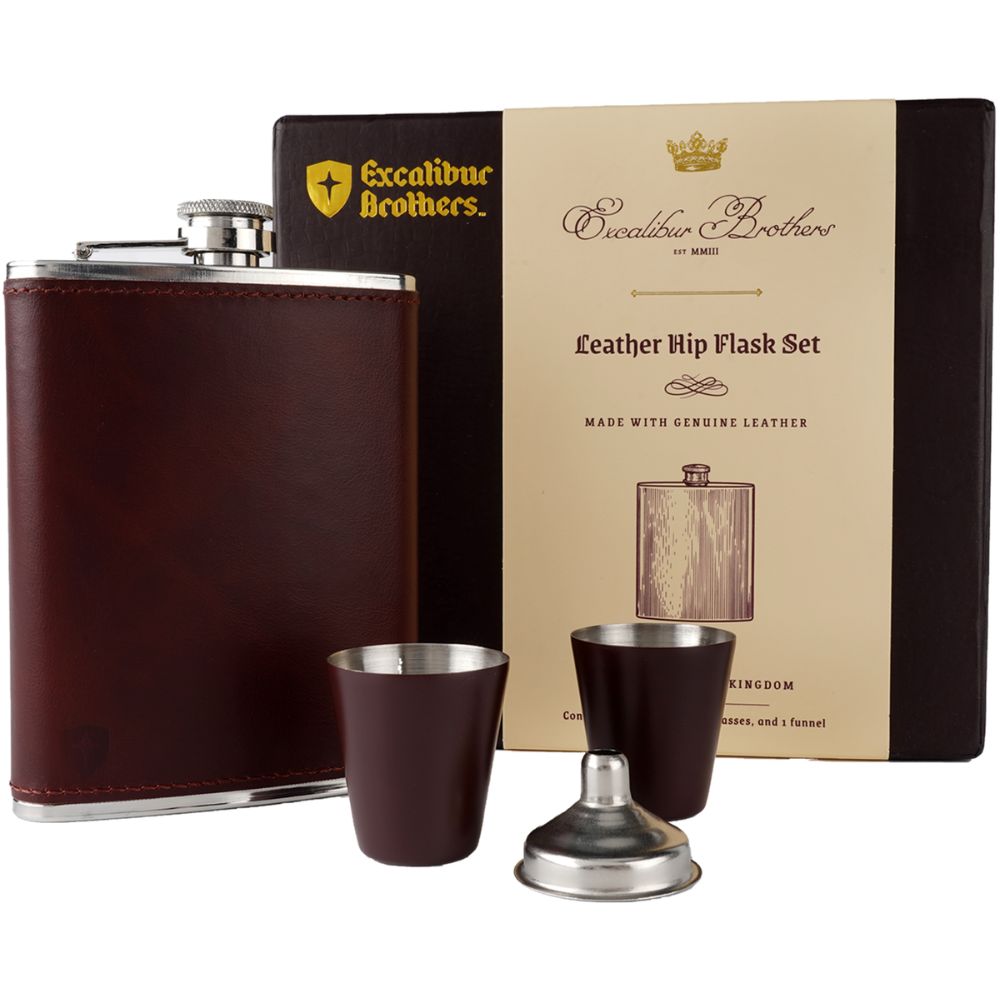
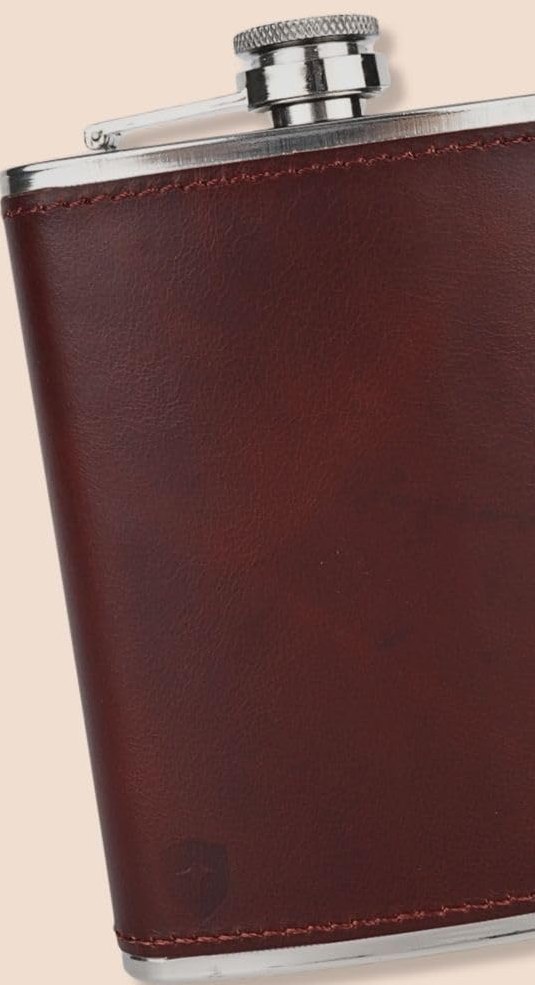
No flask yet? Ours is 8 oz, 304 stainless inside, wrapped in PU leather, with a funnel and two shot cups: leather flask.
What never goes in a hip flask
A flask rides against your body, so everything in it sits near body temperature for as long as you carry it.
Wine. At roughly 12% alcohol it has no preservative strength of its own. Warm it, leave air in the headspace, and it oxidizes faster than an open bottle on the counter. Flat by tomorrow, sour the day after.
Beer and anything carbonated. A screw cap on a sealed steel body isn't a pressure vessel. CO2 comes out of solution as the liquid warms, and the pressure either weeps past the gasket into your coat or finds your face on opening.
Cream liqueurs. Dairy, at body temperature, inside a container you can't reach into. Irish cream separates, coats the walls, and the smell outlasts two washes.
Citrus, juice, soda and pre-mixed cocktails. The juice goes off long before the metal complains: a margarita sitting warm all afternoon has a food safety problem before a flavor problem. The steel handles an acidic drink for a few hours, but leaving citrus and salt in there a week is a pitting experiment nobody needs to run. Rinse the same day and none of this applies. Stuck-on cases are in our guide to cleaning a hip flask.
How long spirits keep in a hip flask
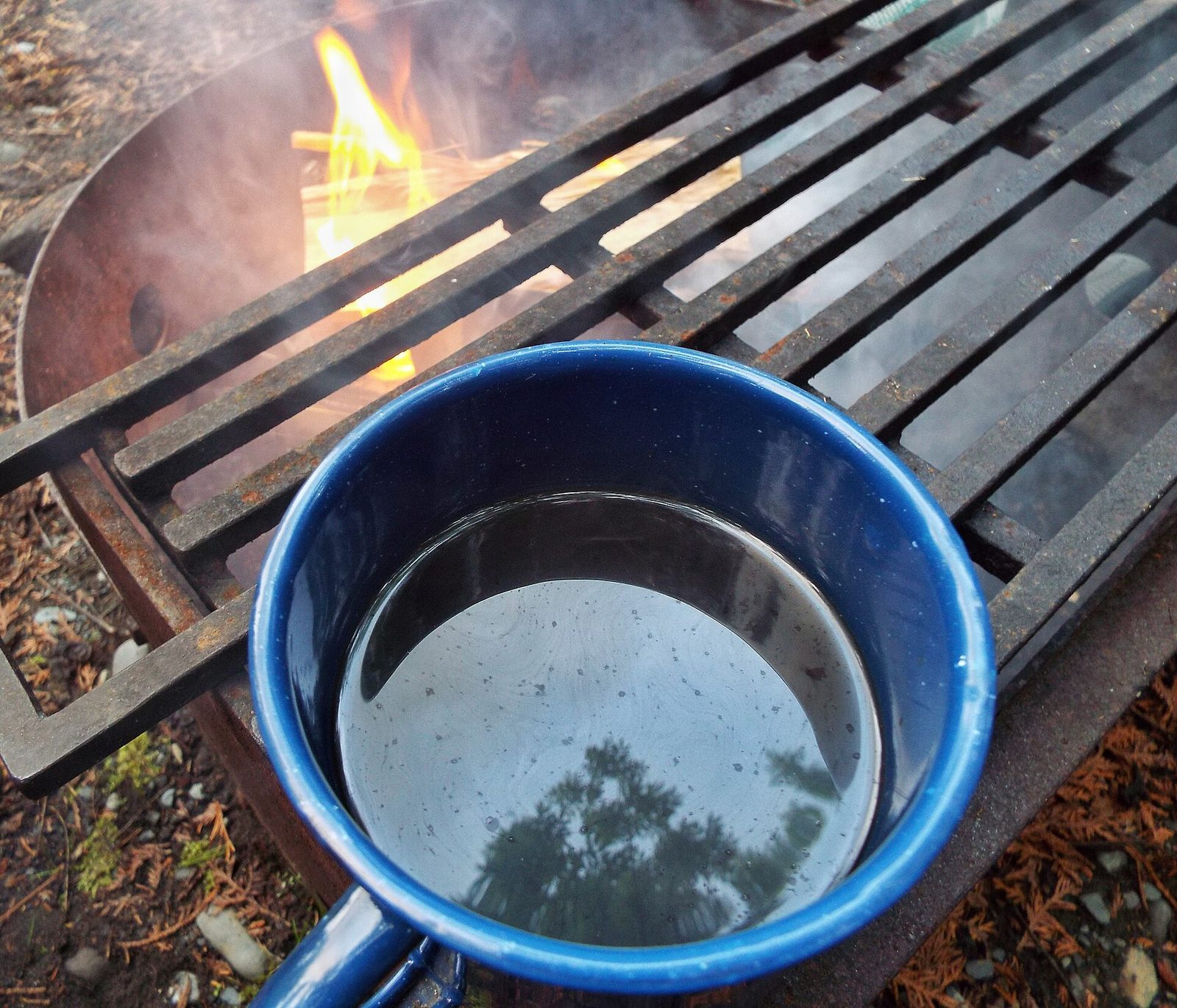
Nothing in there is going bad on you. Ethanol at 40% preserves itself, which is why a sealed bottle of bourbon carries no expiry date. What shifts is taste2.
Over a weekend you'll notice nothing. Past a week or two, enough owners report a faint tinny edge to treat it as real, and it usually traces to the cap gasket or old residue rather than the steel. Distilleries hold spirit in 304 stainless3 by the thousand gallons.
The "three days maximum" repeated online has no test behind it. Pour what you'll drink over the next few days, then empty and rinse when the trip ends. An 8 oz flask holds a little over five 1.5 oz shots, so a weekend is about one fill; other capacities are in the flask size chart.
Can you put water in a hip flask?
Yes, and rinse it first, because water picks up the ghost of the last occupant far more obviously than whiskey would. But judge it for what it is: eight ounces, no insulation, body temperature within the hour. Fine for a round of golf, useless as a canteen.
Don't store water in it for weeks: it goes stale in sealed steel and leaves a smell behind.
One legal note: carrying a filled flask into a stadium or a park depends on open-container laws4 that vary by state and on the venue's rules. This isn't legal advice.
What to put in a hip flask besides alcohol
Four that hold up:
Cold brew concentrate. The best non-alcoholic use of a flask. Coffee stains and the smell lingers, so wash it the same day.
Maple syrup, for pancakes at a campsite. Absurd and genuinely useful. Rinse with hot water immediately or you're soaking it for an hour.
Olive oil, for camping. A flat 8 oz steel container packs better than a round bottle and won't shatter. Oil leaves a film, so soap and hot water after.
Anything cold for the day. Iced tea or cider at a tailgate, drunk that day and washed out after. The citrus rule above is about leaving it in.
FAQ
What alcohol do you put in a hip flask?
Spirits at 80 proof or higher, undiluted: whiskey, bourbon, rye, rum, brandy, gin or vodka. They keep at room temperature, carry no sugar to dry sticky inside the flask, and taste roughly as they should at pocket temperature. Skip liqueurs, wine, beer and anything pre-mixed.
How long can alcohol stay in a hip flask?
A few days is fine and a weekend is normal. Past a week or two, spirits often pick up a faint metallic note, usually from the cap gasket or old residue rather than the steel. There's no safety deadline: empty and rinse after the trip, then refill fresh.
Can you put wine in a hip flask?
For an afternoon, yes, but it's the worst common choice. At around 12% alcohol, wine has no preservative strength, and a warm flask with air in the headspace oxidizes it quickly. Expect flat by the next day and sour after. Carry brandy for the same warmth.
What's the best flask drink for skiing?
Something brown and strong you'll enjoy at pocket temperature: bourbon, rye, dark rum or a decent cognac. Skip mulled wine and schnapps-and-juice mixes. And know that alcohol opens the blood vessels at your skin, so you feel warmer while your core loses heat.
The funnel and the two cups come in the box with ours.
Sources
Every figure, rule and date above traces to one of these. We link the body that issued it, never someone's summary of it, and we don't link anyone who sells what we sell.
- Legal Information Institute, Cornell Law School, 27 CFR § 5.143 — Whisky. Checked 20 Sep 2026.
- National Library of Medicine, PubMed Central (Foods, 2020), Influence of Alcohol Content and Storage Conditions on the Physicochemical Stability of Spirit Drinks. Checked 20 Sep 2026.
- National Bureau of Standards (now NIST), U.S. Department of Commerce, NBSIR 76-1185 — A Manual of Stainless Steel Data for Meat and Poultry Processing Equipment. Checked 20 Sep 2026.
- Legal Information Institute, Cornell Law School, 23 U.S.C. § 154 — Open container requirements. Checked 20 Sep 2026.
Read next
What a Hip Flask Is For and Whether Carrying One Is LegalWhat a hip flask holds, what to put in one, how long spirits keep inside it, how to fill and carry it, and whe
Best Hip Flask for Whisky, Judged by What the Metal DoesThe best hip flask for whisky is an inert body: 304 stainless or glass. Five picks compared on material, closu
A Leather or Stainless Steel Flask Holds the Same 304 SteelLeather vs stainless steel flask: both hold the spirit in the same 304 steel. What the wrap changes, PU agains