Pocket Notebooks That Actually Fit in a Back Pocket

A pocket notebook runs from 3 × 5 inches up to A6 at 4.1 × 5.8, and the only test that matters is whether it survives being sat on. Two setups hold up for daily carry. Either a stapled 3.5 × 5.5 book you fill and replace every few weeks, or a leather cover you keep for years with a refill swapped in and out.
How this pocket notebook list was made
Nobody here carried all ten of these for a month. There is no hand-testing behind this page and no scoring rubric. What's below is a comparison of published manufacturer specs (size, page count, binding, paper weight where the maker states it) against owner reviews, meaning Amazon ratings, r/EDC and r/fountainpens threads, and retailer product pages like JetPens.
Every notebook gets the same six fields: who it's for, size, pages and paper, cover and binding, rough price, and what owners complain about. Where a spec isn't published or I couldn't confirm it, the field reads "—" rather than a made-up number. Prices are US street prices, they move, and they're bands rather than quotes. The complaint line only appears where the complaint shows up repeatedly in reviews.
| Notebook | Size (in) | Pages | Cover | Rough price | Best for |
|---|---|---|---|---|---|
| Field Notes Original | 3.5 × 5.5 | 48 | Kraft card, stapled | $13–16 / 3-pack | The default back-pocket book |
| Word. Notebooks | 3.5 × 5.5 | 48 | Card, stapled | $10–14 / 3-pack | Task lists with a dot system |
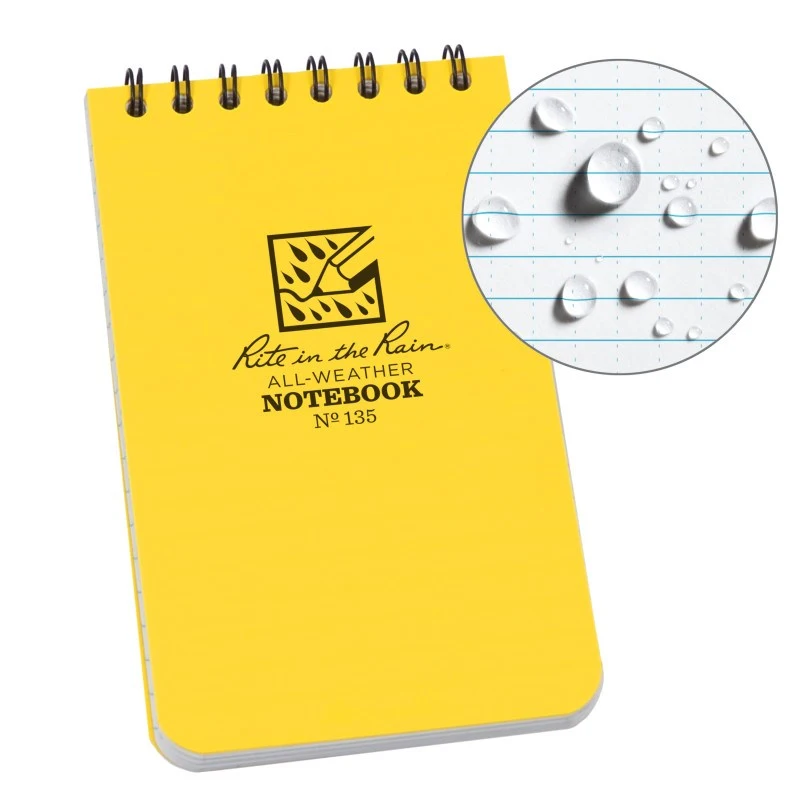
| Moleskine Cahier Pocket | 3.5 × 5.5 | 64 | Card, stitched spine | $13–18 / 3-pack | Cheapest way into the Moleskine size |
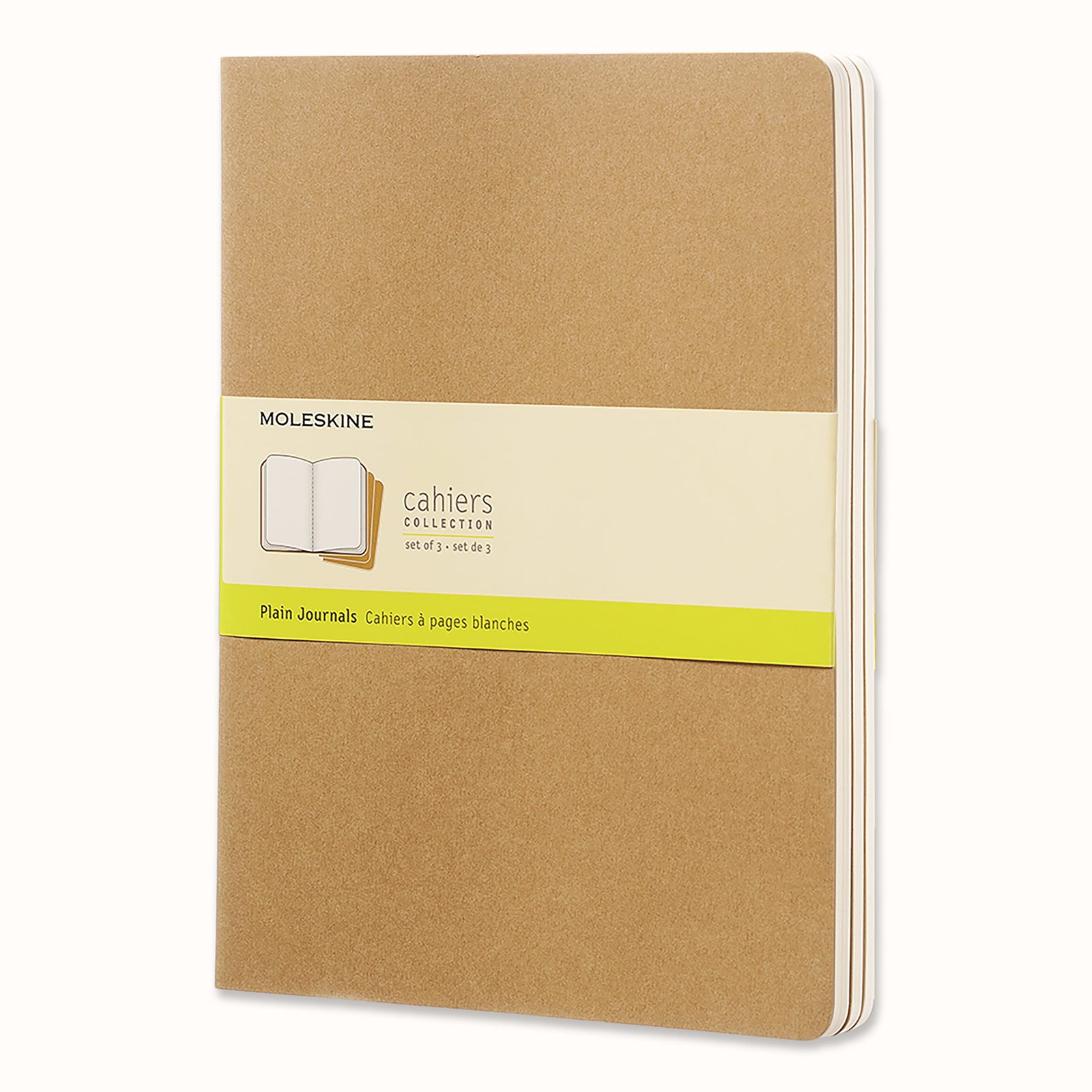
| Leuchtturm1917 Pocket | 3.5 × 5.9 | 187 numbered | Hardcover | $16–22 | One book that lasts months |
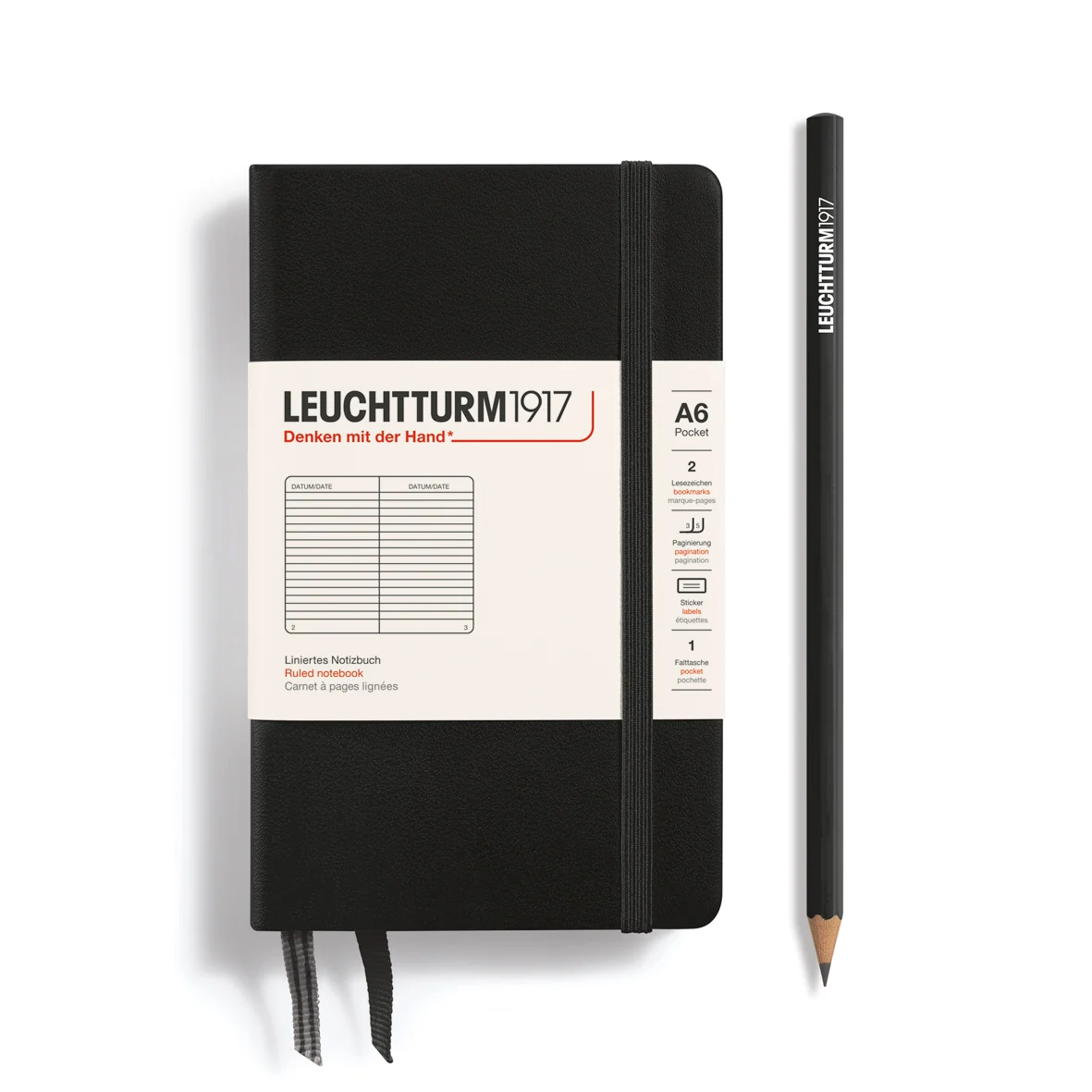
| Rite in the Rain No. 391 | 3 × 5 | 100 (50 sheets) | Polydura, top spiral | $8–11 | Rain, sweat and job sites |
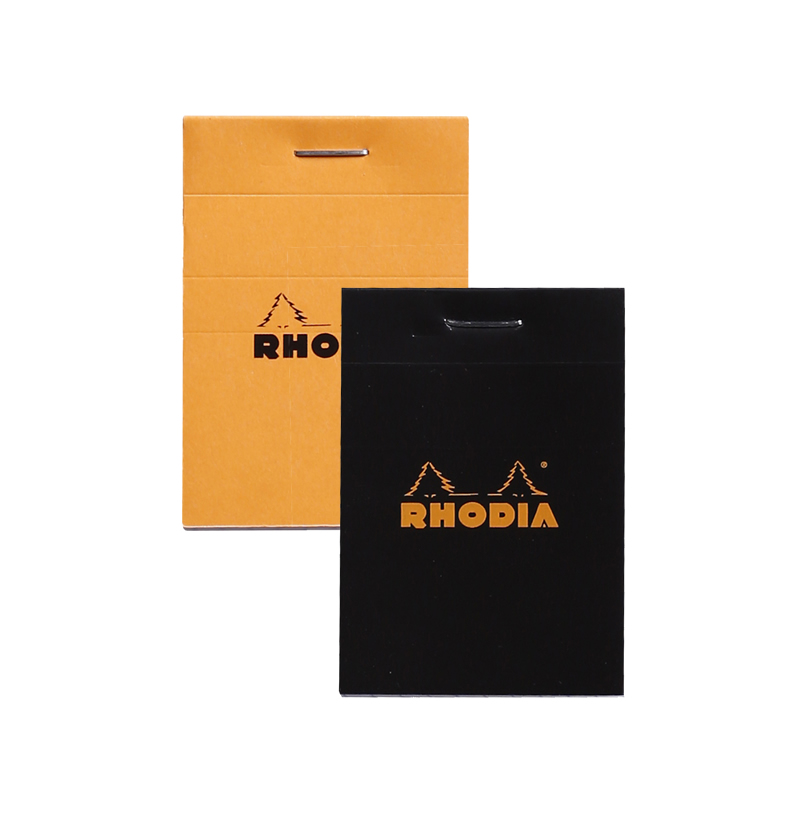
| Rhodia No. 11 Bloc | 2.9 × 4.1 | 160 (80 sheets) | Coated card, top staple | $5–8 | Notes you tear off and hand over |
| Muji A6 Notebook | 4.1 × 5.8 | 60 (30 sheets) | Thin card, stapled | $2–4 | Lowest cost per page |
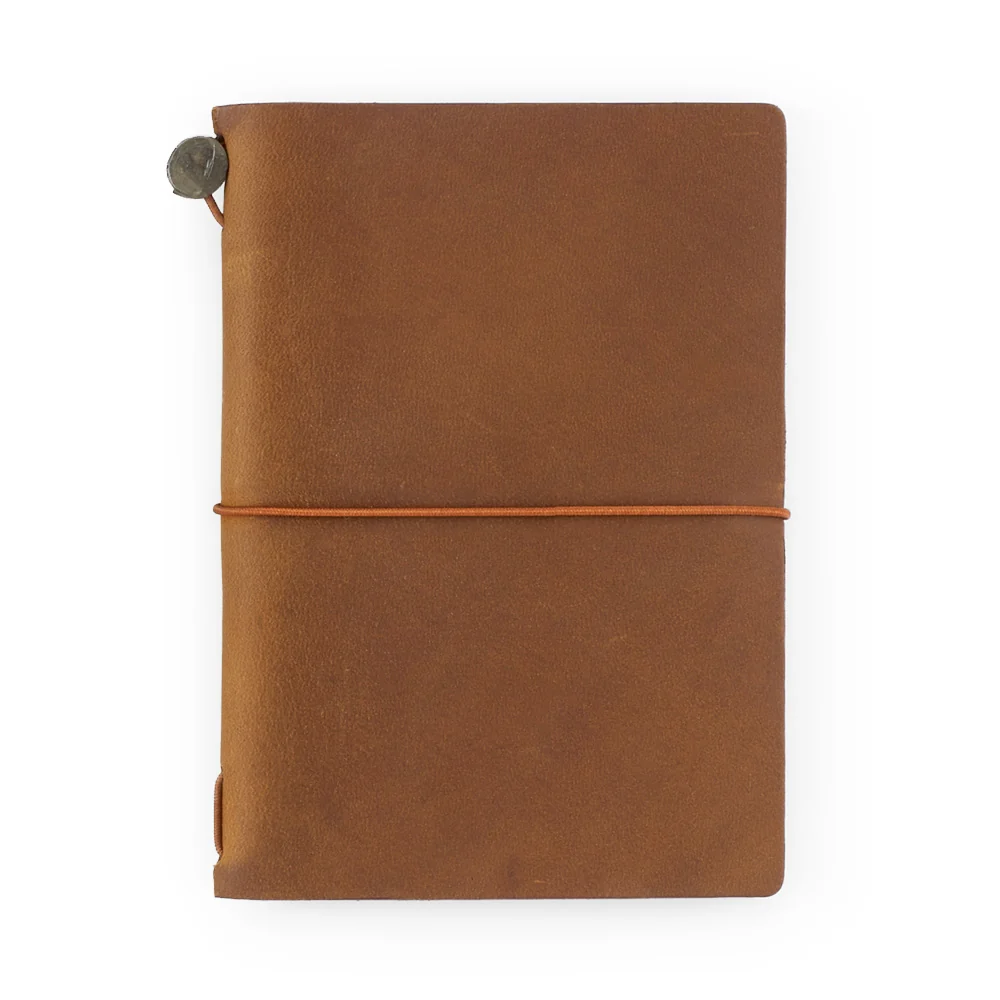
| Traveler's Company Passport | 4.9 × 3.5 (refill) | 64 per refill | Leather, elastic-bound | $45–60 starter | A cover you keep for a decade |
| Baron Fig Vanguard Pocket | 3.5 × 5.5 | 48 | Softcover, stitched | — | Dot grid without the branding |
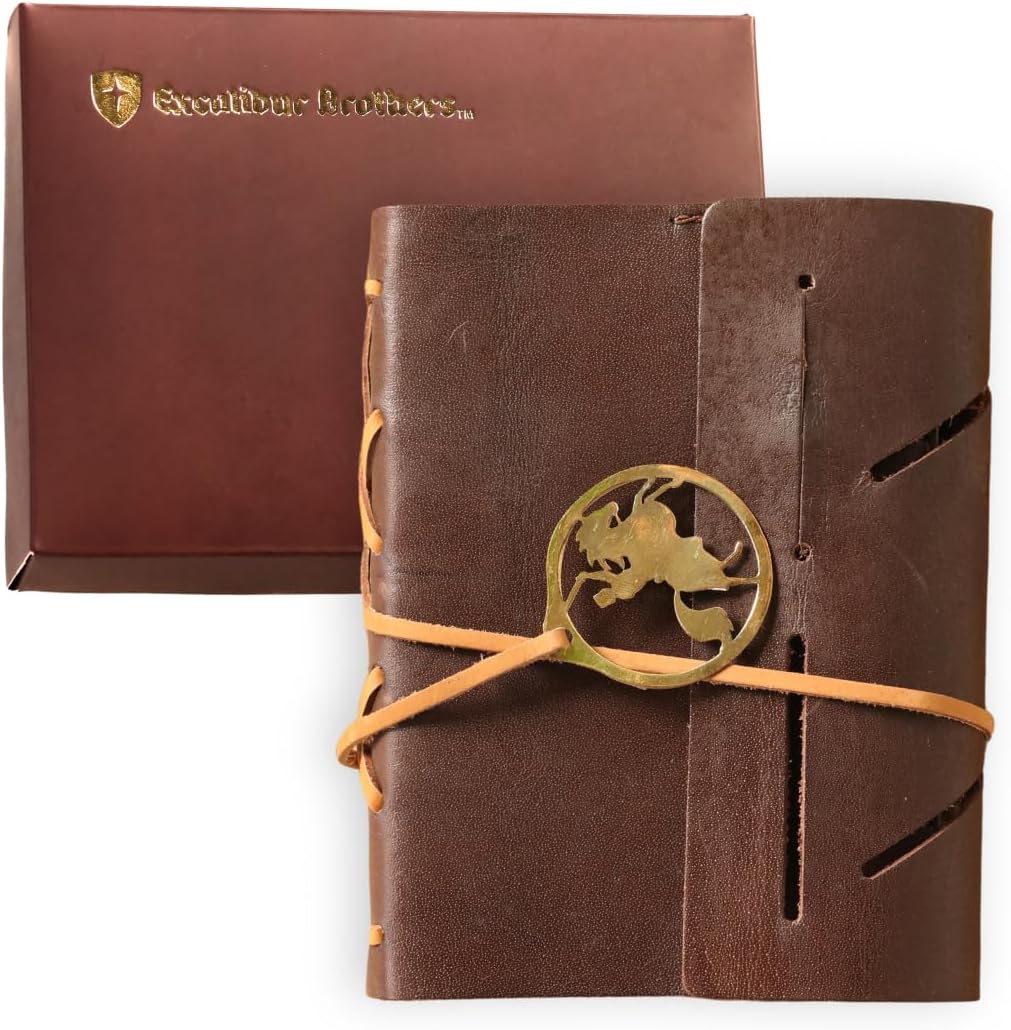
| Excalibur Brothers A6 | 4.3 × 5.9 | 100 per refill | Buffalo leather, refillable | $14.95 | Leather cover on a stapled-book budget |
What actually fits in a pocket
Four sizes cover nearly everything sold as pocket sized.
3 × 5 inches. Index card size. Goes in a shirt pocket, a front jeans pocket, and most small sleeve pockets on a work jacket. Too small for long-form writing, right for a list.
3.5 × 5.5 inches. The Field Notes size, and the one most people mean by "pocket notebook". It's the back pocket standard because it's narrow enough that the corner doesn't dig in when you sit.
A6, 4.1 × 5.8 inches (105 × 148 mm). Half an A5 sheet. This one stops being a jeans notebook and becomes a jacket notebook. You get a real writing line, and the page holds a paragraph instead of a phrase.
Passport size, 4.9 × 3.5 inches (124 × 89 mm). Tall and narrow, from the Traveler's Company system. Great in a chest pocket, awkward flat against a thigh.
Back pocket and jacket pocket ask for opposite things. A back pocket bends the book and rounds off the corners, so a hardcover is a bad idea there and a saddle-stitched card cover is the right call. A jacket or chest pocket keeps the book flat, which is where A6 hardcovers and leather covers make sense, and where thickness matters more than footprint. A 187-page hardcover is about as thick as four stapled books. Full measurements in inches and millimetres are on our pocket notebook sizes chart.
Field Notes Original
Who it's for: anyone starting from zero. Size: 3.5 × 5.5. Pages / paper: 48 pages, graph ruled; paper weight —. Cover: French kraft card, saddle-stitched, three per pack. Price: $13–16 per 3-pack. Owners complain about: gel and fountain ink feathering and ghosting through the sheet, and the cost per page once you carry one regularly.
The book that defined the category. Buy it if you want the format everyone else is describing when they say pocket notebook, and accept that the paper is built for pencil and ballpoint.
Word. Notebooks
Who it's for: people who work in checkboxes. Size: 3.5 × 5.5. Pages / paper: 48 pages, bullet dot grid; paper weight —. Cover: card, stapled, three per pack. Price: $10–14 per 3-pack. Owners complain about: the same thin paper as most stapled books, plus a dot grid printed dark enough to show under light handwriting.
The grid is the point. Each dot is a task marker you fill, slash or circle, which suits a to-do carry more than a journal carry.
Moleskine Cahier Pocket
Who it's for: someone who wants the Moleskine look at stapled-book money. Size: 3.5 × 5.5. Pages / paper: 64 pages, last 16 detachable; paper weight —. Cover: card with a visible stitched spine, three per pack. Price: $13–18 per 3-pack. Owners complain about: ink bleeding through with anything wetter than a ballpoint, and the cover curling within a week in a back pocket.
More pages than a Field Notes for similar money. The trade is a softer cover that gives up faster.
Leuchtturm1917 Pocket
Who it's for: one notebook, months at a time. Size: 3.5 × 5.9 (90 × 150 mm, sold as A6 but slightly narrower than true A61). Pages / paper: 187 numbered pages, 80 gsm2. Cover: hardcover with an elastic closure, two ribbon markers, index pages and a rear pocket. Price: $16–22. Owners complain about: fountain ink ghosting on the reverse despite the 80 gsm, and dinged corners once the hardcover has lived in a bag.
The numbered pages and blank index at the front are the reason to pick it. You can actually find something you wrote in March.
Rite in the Rain No. 391
Who it's for: outdoor work and anyone who sweats through a notebook. Size: 3 × 5. Pages / paper: 50 sheets, 100 pages, coated all-weather stock; gsm —. Cover: Polydura, top spiral. Price: $8–11. Owners complain about: wet ink beading on the coating, so gel and fountain pens are out and you're committed to pencil or a pressurised all-weather pen.
It works in rain, which nothing else here does. The top spiral also catches on pocket lining, so it lives better in a chest pocket than a seat pocket.
Rhodia No. 11 Bloc
Who it's for: notes that leave your hands. Size: 2.9 × 4.1 (74 × 105 mm). Pages / paper: 80 sheets, 160 pages, 80 gsm Clairefontaine vellum. Cover: coated orange or black card, stapled at the head, micro-perforated sheets. Price: $5–8. Owners complain about: it's a pad, not a book, so there's no cover protecting what you've already written and sheets come loose in a pocket.
The best paper on this list by a wide margin for the price. Fountain pens behave on it.
Muji A6 Notebook
Who it's for: a throwaway carry you won't mourn. Size: 4.1 × 5.8 (105 × 148 mm). Pages / paper: 30 sheets, 60 pages, recycled stock; gsm —. Cover: thin card, stapled. Price: $2–4. Owners complain about: the cover softens almost immediately and the page count runs out fast.
Cheap enough to keep four of them in different bags. Cheap enough that the cover is the compromise.
Traveler's Company Passport Size
Who it's for: the long game. Size: refill 4.9 × 3.5 (124 × 89 mm); cover dimensions —. Pages / paper: 64 pages per refill, MD paper; gsm —. Cover: vegetable-tanned leather, refills held by an elastic cord down the spine, multiple refills at once. Price: $45–60 to start with a cover and one refill. Owners complain about: the entry price, and leather that scratches and marks within days, which is either the appeal or the problem depending on you.
The cord system means you can run a lined refill and a blank one side by side. The format is narrow, so lines are short.
Baron Fig Vanguard Pocket
Who it's for: dot grid, no logo on the cover. Size: 3.5 × 5.5. Pages / paper: 48 pages; paper weight —. Cover: stitched softcover, sold in threes. Price: —. Owners complain about: the softcover curling in a pocket much like the Cahier.
Plain covers and a light dot grid. Harder to find on a shelf than Field Notes, so most buying happens online.
Excalibur Brothers A6 Leather Journal
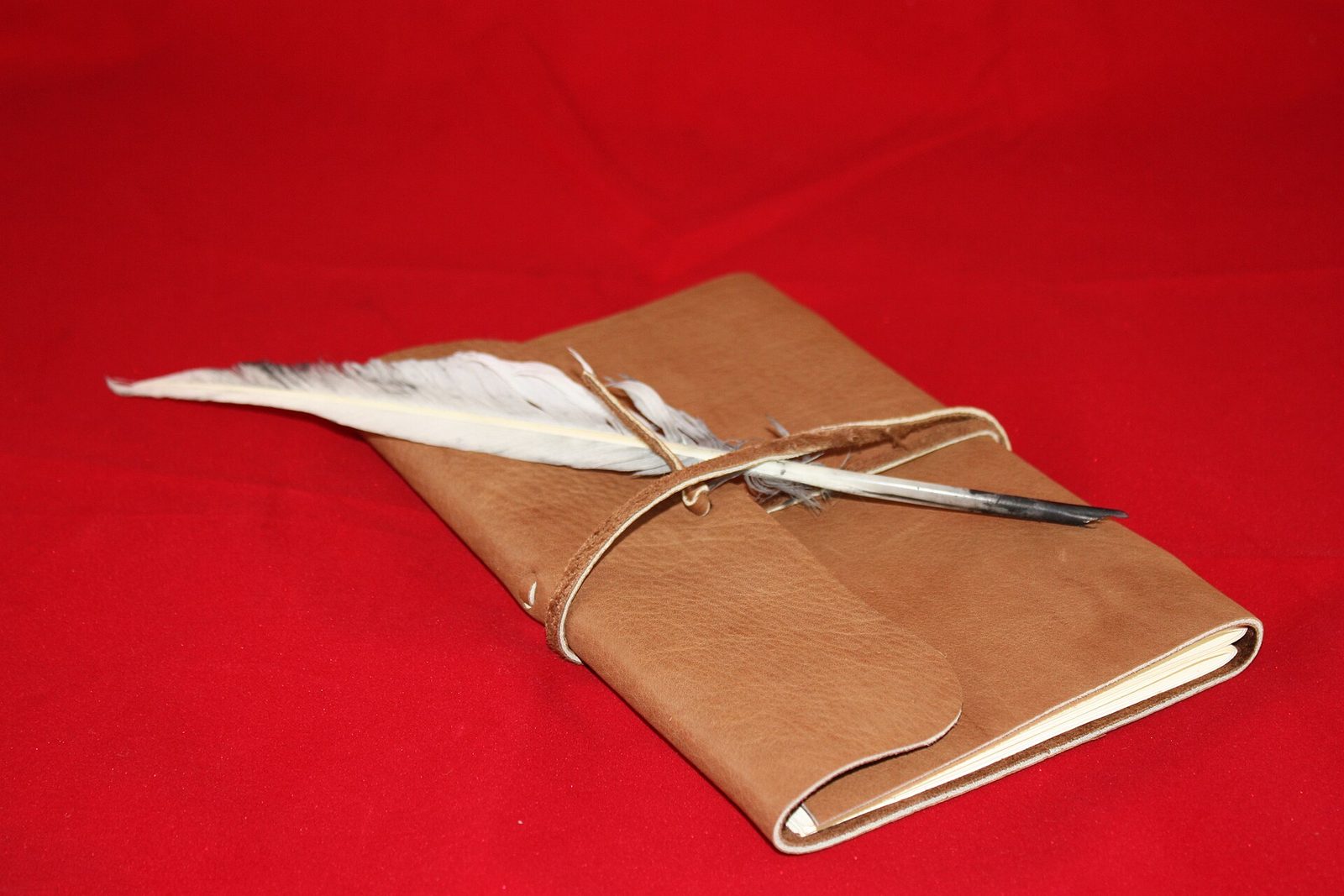
Who it's for: someone who wants a leather cover without a $50 entry. Size: 4.3 × 5.9 outside the cover. Pages / paper: 100-page ivory insert, refillable; gsm —. Cover: dark brown buffalo leather, pen loop, bookmark with the EB emblem, keepsake box. Price: $14.95. Owners complain about: nothing you can call a pattern yet. It holds 4.6 stars from 7 Amazon ratings, which is too small a sample to read anything into, and I'd rather say that than dress it up.
This is real buffalo hide rather than a coated synthetic, and the insert swaps out when it's full. More on the leather and the refill system on the leather journal page.
The leather cover and refill setup
Stapled notebooks are consumables. You fill one in three or four weeks, the cover comes back scuffed and soft, and you open the next. At $15 for three, a year of that carry is roughly $60 and twelve tired covers. If you're carrying a book to build a writing habit rather than a list habit, that churn is usually what kills it, which is the first thing we say in how to make journaling stick.
A cover changes the maths. You buy the leather once, then you're only buying paper. The cover takes the abuse that a card cover can't: the corners stay square, the pages stay flat, and the book still closes after six months in a back pocket. You also keep the parts you get used to, the pen loop and the bookmark, instead of losing them every time a book fills up.
The honest downsides are two. You can't shelve a filled insert with its own cover the way you can line up a row of Field Notes, so you need somewhere to keep the spent paper. And you have to buy refills that fit, which means knowing the internal dimension of your cover before you order. Our size chart has those numbers.
The Excalibur Brothers refillable leather journal is the cheap way in at $14.95: buffalo leather cover, a 100-page refill, pen loop, bookmark, and a keepsake box if it's going to someone else. It sits in the same price band as a 3-pack of stapled books, and it outlasts them. If you're buying it as a present, it's one of the picks on our men's gifts page.
Pocket notebook FAQ
What is the point of a pocket notebook?
Capture, not storage. A pocket notebook exists so the thought gets written down in the eight seconds you have before it's gone, without unlocking a phone and getting pulled into something else. Most people move what matters somewhere permanent later and throw the rest away.
Is there a pocket notebook that actually fits in my pocket?
Yes, at 3.5 × 5.5 inches or smaller. That size clears a back jeans pocket and most shirt pockets. A6 at 4.1 × 5.8 fits a jacket but prints through a back pocket. Check thickness too: over about half an inch and no pocket is comfortable.
What is a pocket notebook called?
Depends who's talking. Stationery sellers say pocket, A6 or passport size. Everyday carry people say EDC notebook. Field Notes made "memo book" common again, and in trades it's still a pocket pad. All of them describe roughly a 3 × 5 to 4 × 6 book. More on making the habit stick in our guide to journaling for men.
Sources
Every figure, rule and date above traces to one of these. We link the body that issued it, never someone's summary of it, and we don't link anyone who sells what we sell.
- Markus Kuhn, University of Cambridge Computer Laboratory, International standard paper sizes. Checked 20 Sep 2026.
- International Organization for Standardization, ISO 536:2019 Paper and board — Determination of grammage. Checked 20 Sep 2026.
Read next
Refillable Leather Journal: Keep the Cover, Swap the PagesA refillable A6 leather journal: buffalo leather cover, 100-page ivory insert, pen loop, box. Keep the cover,
How to Condition Leather With Four Checks and One Thin CoatHow to condition leather: the four checks that say it needs it, which balms and oils work, what to keep away f
39 Gifts for Writers, Each With Its Price on the Page39 gifts for writers with every price on the page, from $10 to $400, and the one item on the list we make ours